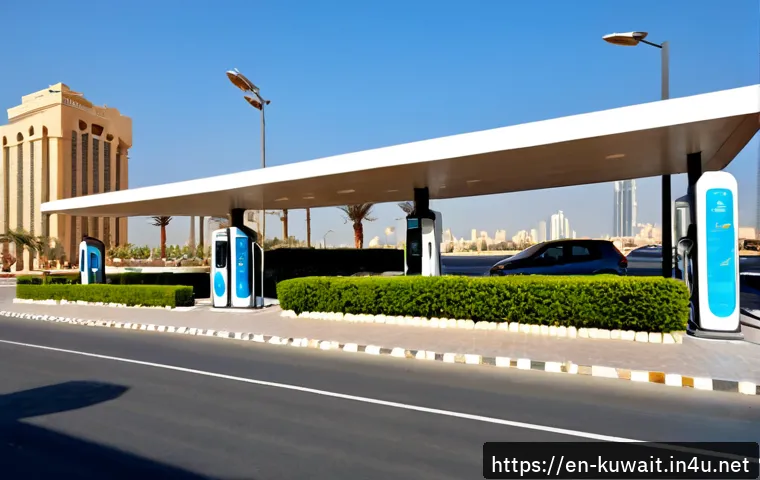
The safest way to plan EV charging in central Kuwait City is to check live availability, connector compatibility, access rules, and the combined charging-plus-parking cost before you drive there.
Keep at least one backup location within a comfortable battery range because public chargers may be occupied, offline, customer-restricted, or inaccessible due to parking rules.
Public charging is useful for flexibility, while workplace, residential, and fleet charging can be more practical for predictable routines. The right option depends less on the map pin and more on how often you charge, how long you can park, and whether your vehicle can use the available connector.
Before starting a session, confirm the required app, RFID card, account, or payment method. Prices should be checked in Kuwaiti dinar (KWD), including any parking-related or idle charges.
For frequent drivers and business vehicles, comparing charging plans and equipment options can help make daily charging easier to manage.
At a Glance
- Check live status first: a charger shown on a map may be occupied, offline, or restricted when you arrive.
- Confirm the full access path: verify the connector, payment or account requirement, parking access, and total cost in KWD.
- Plan a backup: do not rely on one urban charging location when your battery level is low.
| Charging Option | Best For | Main Advantage | Key Check Before Use |
|---|---|---|---|
| Public charging | Visitors and flexible schedules | Useful when you need charging away from home or work | Live availability, connector, app or payment access, parking rules |
| Workplace charging | Regular commuters | Can fit naturally into a workday routine | Employee access, parking duration, and workplace charging policy |
| Residential or private charging | Drivers with predictable overnight parking | Convenient for routine charging planning | Installation suitability, building approval, and electricity arrangements |
| Hotel or destination charging | Guests and business travelers | Can combine charging with an existing stay or visit | Guest-only rules, parking entry, session access, and opening hours |
| Fleet charging | Delivery vehicles and company operations | Supports repeatable scheduling and vehicle utilization planning | Vehicle dwell time, site access, charging equipment, and operating needs |
The Fastest Way to Plan a Charge in Central Kuwait City
The quickest approach is to treat every charging stop as a short access check, not just a destination on a map. In a busy central area, a charger can be physically nearby but still unavailable because another vehicle is using it, the equipment is offline, the parking area has restricted entry, or the charger is limited to customers or registered users.
Check Live Availability Before Leaving
Look for a current status update where the charging operator provides one. If a location appears available, that is helpful, but it should not be treated as a guarantee. Availability can change while you are driving, especially at a popular parking facility, hotel, office building, or retail destination.
If your battery is already low, choose a route with a backup charging option that remains within your comfortable battery range. This reduces the pressure of arriving at a station that is occupied or inaccessible.
Confirm Connector, Account, and Parking Access
Before heading out, confirm that the charger can work with your vehicle. Connector compatibility matters, but so does the vehicle’s own charging capability. A charger may be present and operational, yet still be unsuitable for your car or slower than expected because charging time depends on charger output, battery state of charge, battery temperature, and vehicle limits.
Also check whether the session requires a dedicated app, RFID card, customer account, or a particular payment method. A charging station inside a private parking facility may have additional entry conditions. Do not assume that a charger visible from the street is available for public use.
Keep a Backup Location Within Comfortable Battery Range
A good city charging plan has a primary option and a second option. The backup does not need to be identical, but it should be reachable without turning a minor delay into a low-battery problem. Save the access details for both locations before leaving, including the expected parking entry point and any account requirements.
Compare Public, Workplace, Residential, and Destination Charging
There is no single best charging option for every EV driver in Kuwait City. The best fit depends on whether charging is occasional, part of a daily commute, connected to a hotel stay, or needed by several vehicles in a business operation.
Convenience Versus Charging Speed
Public charging is often the most flexible choice when you are away from your usual parking location. It can work well for visitors, drivers with changing schedules, and people who need a top-up while completing other errands. However, flexibility comes with more variables: availability, access rules, parking limits, and payment setup.
Workplace and residential charging can be more predictable because the vehicle may already be parked for several hours. For a driver with a regular routine, predictable access may be more valuable than searching for a public charger during a busy part of the day. Destination charging at a hotel or commercial property can be convenient, but only when public or guest access is confirmed.
Total Cost: Energy, Parking, Membership, and Idle Fees
Do not compare locations using only the displayed energy price. Check the total charging cost in KWD, including any per-kWh, per-minute, session, parking, membership, or idle-fee terms that may apply. The current pricing method and exact charges can vary by operator and location, so review the applicable terms before starting a session.
A lower charging price may not be the better value if the parking arrangement is inconvenient, if the session requires a membership plan you will rarely use, or if you are likely to remain parked after charging is complete. For occasional charging, simple access may matter more than a complex plan. For frequent charging, a charging membership plan or routine workplace arrangement may deserve a closer comparison.
Which Option Works Best for Occasional and Frequent Drivers
Occasional drivers often benefit from keeping public and destination charging options available. The key is preparation: know which access steps are required before you need the charger.
Frequent drivers should compare the effort required each week. If public charging repeatedly means detours, waiting, app logins, and parking uncertainty, workplace charging or private charging may be worth evaluating. Businesses with multiple vehicles may need a more structured fleet charging setup rather than relying on public stations for every shift.
What to Verify Before You Plug In
A few checks before connecting can prevent an unsuccessful charging stop, unexpected parking issues, or a session that takes longer than your schedule allows.
Connector Compatibility and Vehicle Charging Limits
Confirm the connector type offered at the location and whether it matches your vehicle. Then consider the practical charging result: your vehicle may not accept the full output that a charger can provide. Battery condition, battery temperature, state of charge, and the charger itself all affect the time needed.
If you have an appointment, hotel check-in, delivery route, or return journey to manage, avoid planning around an exact charging time unless you can allow extra margin.
Payment Methods, Apps, and Customer-Access Restrictions
Some locations may require a dedicated charging app, RFID card, registered account, or a specific payment method. Others may be situated at properties where access is limited to hotel guests, customers, tenants, employees, or authorized parking users.
Set up access before arriving whenever possible. Downloading an app or creating an account while parked at an unfamiliar charger can add delay, and it may not solve a customer-only restriction.
Parking Duration and Charging Etiquette
Charging access and parking access are not always the same thing. Check whether there is a time limit, whether parking fees apply, and whether the space is intended only for active charging. Once the vehicle has received the charge you need, move it when appropriate so another driver can use the charger.

It is also wise to review whether an idle fee may apply after charging is complete. The current terms must be verified with the operator or property before you begin.
Avoid Common Urban Charging Problems
Central-city charging is usually easier when you assume that a map listing is only the beginning of the planning process.
Arriving at an Occupied or Unavailable Charger
Even a recently updated status can change. A driver may arrive before you, a charger may go offline, or the parking entrance may be closed or controlled. Keep a second location in mind and avoid using your remaining battery range on repeated attempts at the same site.
Depending on a Single Charging Location With a Low Battery
One-location planning is risky when battery level is low. If possible, charge earlier rather than waiting for the last practical moment. A modest top-up at a confirmed accessible location can provide more flexibility than driving across the city for a preferred charger with uncertain access.
Confusing a Parking Space With Guaranteed Charger Access
A marked EV space does not automatically confirm that the charger is active, compatible, publicly available, or included with parking. Check both the charging operator’s requirements and the property’s parking rules. This is especially important at hotels, malls, office buildings, and private garages.
Planning by Driver Type
Your best charging strategy should match how long the vehicle is parked and how costly a delay would be.
Visitors and Hotel Guests
Visitors should confirm hotel charging access directly before relying on it. Ask whether the charger is for guests only, whether parking access is included or separate, what connector is available, and whether an app, card, or account is needed. Keep a public charging backup in case the hotel charger is occupied or unavailable.
Daily City Commuters
Daily commuters should focus on repeatability. Compare the convenience of public charging with the reliability of charging where the vehicle already spends time, such as at work or at home. A workplace charging arrangement may reduce detours, while private charging may suit drivers with consistent overnight parking.
When comparing options, include your time as well as the stated price in KWD. The most useful routine is often the one that needs the fewest last-minute decisions.
Small Businesses, Delivery Vehicles, and Company Fleets
Fleet charging should be planned around operations, not just individual charging sessions. Consider when vehicles return, how long they remain parked, whether multiple vehicles need access at similar times, and how charging affects dispatch schedules. Public charging can provide flexibility, but a business with regular vehicle use may benefit from reviewing workplace or commercial charging equipment.
Before selecting a fleet charging solution, request a clear assessment of access needs, vehicle compatibility, expected utilization, payment arrangements, and site constraints. A fleet-service quote should be compared on operating fit, not only on the equipment offered.
Choosing the Right Charging Option: A Decision Summary
Choose public charging when flexibility matters most and you can verify live status, access requirements, and parking conditions before the trip. Consider workplace or private charging when your driving and parking routine is predictable and repeated public charging creates avoidable inconvenience. Request a fleet or commercial charging assessment when several vehicles need coordinated access and charging time affects business operations.
Before choosing, compare these points: connector compatibility, live availability, total cost in KWD, parking and idle-fee conditions, required app or membership access, and a realistic backup plan. For charging plans, workplace equipment, or fleet-service terms, check the relevant provider or property page for the current details before making a commitment.
Conclusion
EV charging in central Kuwait City can be manageable when the plan goes beyond finding the nearest map pin. Confirming access, payment setup, connector compatibility, and parking conditions can prevent most avoidable delays. Public charging remains useful for flexibility, but routine drivers may find more value in workplace, residential, or commercial charging arrangements. The practical goal is simple: arrive with enough battery margin and more than one workable option.
Useful Information to Keep in Mind
1. Check prices in KWD before starting, including possible parking or idle charges.
2. Charging time is affected by the vehicle, battery state of charge, battery temperature, charger output, and connector compatibility.
3. A charger at a private property may not be publicly accessible.
4. Keep account, app, RFID, and payment requirements ready before you need to charge.
5. A backup location is especially important when your remaining battery range is limited.
Important Notes
The current number, exact locations, operating status, opening hours, connector standards, pricing structures, payment methods, roaming arrangements, and access restrictions for individual chargers in central Kuwait City must be checked directly before use. A hotel, mall, office building, or parking facility may change its charging and parking conditions without notice. This guide is intended as a planning framework rather than confirmation that a particular charger is available or suitable for your vehicle.
Frequently Asked Questions
Q1. How can I find an available EV charger in central Kuwait City?
A1. Check a current charging-network listing or the operator’s live information before leaving, then confirm the charger’s access requirements and parking rules. Because availability can change, keep a second location within a comfortable battery range.
Q2. What should I compare besides the charging price in KWD?
A2. Compare connector compatibility, charger availability, payment or app requirements, parking entry, parking duration, possible idle fees, customer-access restrictions, and the time needed for your vehicle to charge. The lowest listed energy price may not represent the lowest total cost.
Q3. Is workplace or private charging usually a better option than public charging for frequent EV drivers?
A3. It can be a better fit when your vehicle follows a predictable parking routine. Workplace or private charging may reduce detours and availability uncertainty, while public charging remains useful for flexible or occasional needs. Compare the access conditions, equipment suitability, total cost, and how each option fits your daily schedule.