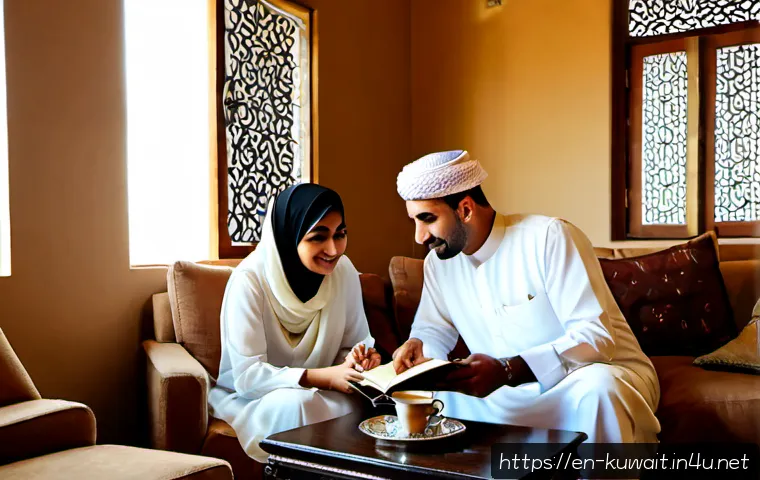
Traditional male roles in Kuwait have often emphasized providing for the household, supporting family networks, and representing the family in some public settings.

These are broad cultural patterns, not fixed rules for every Kuwaiti man or household. Family background, personal religious practice, education, employment, and generational outlook can all shape how expectations are understood.
For visitors and expatriates, the most useful approach is to learn the context without assuming private beliefs or family arrangements. Cultural orientation, relocation support, or workplace cross-cultural training can be helpful when a move, team assignment, or long-term professional relationship requires more than basic etiquette.
The goal is respectful communication, not a checklist of stereotypes.
At a Glance
- Traditional expectations may include family provision, responsibility, and public representation.
- Kuwaiti men do not share one identical lifestyle, level of religious observance, or household role.
- For respectful interactions, ask about work or practical arrangements when relevant and avoid assumptions about private family life.
| Setting | Broad cultural pattern | Respectful approach |
|---|---|---|
| Family context | Extended-family ties may influence decisions about housing, marriage, work, and caregiving. | Recognize family connections without asking who has authority in a household. |
| Workplace context | Professional responsibility, reputation, and social relationships can matter alongside formal job duties. | Be clear, reliable, and avoid assuming a colleague speaks for all Kuwaitis. |
| Social gatherings | Hosting and maintaining relationships may carry social importance in some families and communities. | Follow the host’s lead and treat invitations as personal rather than automatic cultural obligations. |
| Communication | Personal values and religious practice vary considerably. | Use polite, direct questions about practical matters instead of making cultural guesses. |
Traditional Expectations and Today’s Reality in Kuwait
Traditional male roles in Kuwait are often discussed in connection with family responsibility, financial contribution, and participation in public or formal family matters. Kuwait is a Gulf state where family networks, Islamic values, and local customs can shape social expectations. At the same time, these influences do not create one universal model for men, families, or workplaces.
The role of family responsibility and provision
In many traditional understandings, men may be expected to contribute financially to the household and take responsibility for practical matters affecting the family. This can include representing the family in some formal or public situations. It is better to understand this as a broad expectation that may matter to some families than as a personal fact about any individual man.
Why no single description fits every Kuwaiti man
Kuwaiti society includes citizens and a large expatriate population. Experiences can differ substantially by family background, community, household arrangements, education, and personal preference. A colleague may value traditional expectations strongly, interpret them flexibly, or organize family and work responsibilities in a different way. Nationality is not a personality profile.
How generational and professional changes affect expectations
Education, employment patterns, urban life, and changing household arrangements have influenced how younger Kuwaitis approach family and work roles. Women participate in education, business, public life, and professional sectors, alongside continuing debates and variation in gender expectations. For expatriates, this means that a modern office, university, or business setting should not be treated as evidence that every private household follows the same norms.
Family, Marriage, and Community Responsibilities
Family relationships can be an important part of social life in Kuwait, but outsiders should avoid turning that observation into intrusive questions. A respectful understanding begins with the possibility that extended family may matter while accepting that the details are private.
Extended-family connections and decision-making
Extended family relationships may play a role in decisions involving marriage, housing, work, and caregiving. That does not mean every decision is collective or that one family member controls another person’s choices. When discussing a relocation, work schedule, or social event, focus on the practical point rather than asking who in the family approved it.
Hosting, social obligations, and public representation
Hosting and maintaining social relationships may be meaningful in some Kuwaiti families and communities. If invited to a gathering, pay attention to the host’s guidance on timing, introductions, and conversation. Do not assume that a man attending, hosting, or speaking in a formal setting represents the opinions of women, younger relatives, or the entire family.
Respectful boundaries when discussing private family matters
Questions about marriage, income, religious observance, household authority, or family conflict can be too personal unless the other person raises the subject. A safer choice is to ask open, practical questions: “What would be the best way to arrange this?” or “Is there anything our team should know for the meeting?” These questions leave room for individual preferences without demanding private explanations.
Traditional Roles in the Workplace and Public Life
In professional environments, the most reliable standard is not a stereotype about gender roles but clear, respectful working practice. Professional identity, responsibility, and reputation may matter, yet each workplace has its own culture and each employee has individual boundaries.
Professional identity, status, and responsibility
A Kuwaiti colleague may place value on being dependable, representing a team well, or maintaining professional relationships. These are not uniquely Kuwaiti traits, but they can be relevant in a setting where family and community networks are socially significant. Avoid reading status only through gender, age, nationality, or job title; let formal roles and workplace communication guide you.
Working with Kuwaiti colleagues without making assumptions
Address people by the name and professional form they use. Share agendas, responsibilities, and next steps clearly. If an issue affects family schedules, religious practice, or a social commitment, let the person explain only what is necessary. Do not presume that a male colleague should negotiate for a female colleague, speak for a family, or handle all financial matters.
Communication etiquette for expatriates and visiting teams
Visiting teams benefit from preparation before meetings, training sessions, and relocation. Be courteous, avoid jokes built on gender or religion, and listen before drawing conclusions from one interaction. For organizations, a cross-cultural workplace training session can be useful when employees are managing a new office, international assignments, or regular client-facing work in Kuwait.
Comparing Cultural Orientation Options and Their Value
The right level of support depends on how long you will be in Kuwait and how much your decisions involve family, housing, schools, or workplace relationships. Basic research may be enough for a short visit. A relocation service or cultural orientation program can be more useful when the consequences of misunderstanding are broader.
Self-guided research versus relocation and cultural-training services
Self-guided research can help travelers learn general etiquette and avoid simplistic assumptions. It is appropriate when your needs are limited to a short visit or an introductory understanding of Kuwaiti culture. Relocation support may be more relevant for households navigating practical arrangements, while a structured cultural training service may suit international teams that need shared expectations for communication and workplace conduct.
When an employer-sponsored workshop may be useful
An employer-sponsored workshop may be worthwhile when several staff members are relocating, a team will work regularly with Kuwaiti counterparts, or managers are creating policies for an international workplace. The aim should be practical: clearer communication, fewer assumptions, and more confidence in handling unfamiliar situations. A useful program should distinguish between broad social context and individual choice.
What to assess before paying for a local guide or training provider

Look for local expertise, materials that appear current, an appropriate group size, and a clearly defined service scope. Ask whether the provider covers workplace situations, relocation questions, family-related etiquette, or only general cultural background. Be cautious of services that present Kuwaiti people as a single type or promise that a script will work in every social situation.
Common Mistakes to Avoid When Discussing Gender Roles
Conversations about gender roles can become inaccurate quickly when tradition is treated as a rigid system. Respectful language keeps cultural context visible while leaving room for personal differences.
Treating tradition as a fixed rule
Do not say that Kuwaiti men “always” behave in a certain way or that a traditional role determines someone’s decisions. Traditional expectations may be present, but their meaning and importance differ between households and generations.
Confusing religion, nationality, and personal preference
Islamic values, local customs, and personal religious observance can influence social expectations, but they are not interchangeable terms. Religious practice and personal observance vary. It is not respectful or accurate to infer beliefs, family authority, or social views from nationality alone.
Asking overly personal questions about marriage, income, or family authority
A person may be happy to discuss work, education, travel, or general culture while preferring privacy around marriage, income, and household responsibilities. If a subject is relevant to a work or relocation decision, explain why you are asking and allow the person to decline details.
Choosing the Right Approach: A Practical Respect Checklist
For travelers and short-term visitors
Learn general etiquette before arrival, observe the setting, and let hosts or local contacts guide social expectations. Keep questions friendly and practical. A short cultural orientation resource can be enough if your visit is brief and your schedule is mainly professional or tourist-focused.
For new expatriates and international students
Prioritize support that explains daily life, communication, and the difference between broad cultural patterns and personal choices. If housing, family relocation, or school-related arrangements are involved, consider a relocation support provider with a clearly stated scope of service.
For managers building cross-cultural workplace policies
Create policies that treat employees as individuals, not representatives of a gender or nationality. A workplace cultural training provider should help teams communicate respectfully, identify assumptions, and manage practical collaboration. Avoid policies based on guessed family roles or presumed religious practice.
Selection Criteria and Comparison Summary
Before choosing cultural orientation, relocation assistance, or cross-cultural training, check local expertise, updated materials, group size, and service scope. Also confirm whether the content is designed for travelers, relocating households, students, managers, or workplace teams. Choose providers that explain variation within Kuwaiti society and avoid fixed claims about men, women, or families. For official details and service conditions, review the relevant provider’s information page before making a decision.
In Closing
Traditional male roles in Kuwait are best understood as part of a wider social context shaped by family networks, local customs, and Islamic values. They may influence expectations around provision, responsibility, and public representation, but they do not define every individual. Respectful visitors and colleagues stay curious, use careful language, and avoid treating private family matters as public knowledge. The most useful cultural skill is recognizing both the pattern and the person.
Useful Things to Know
1. Extended-family relationships may be relevant to major life decisions, but their role differs by household.
2. Women participate in education, business, public life, and professional sectors in Kuwait.
3. Personal religious observance cannot be assumed from nationality or appearance.
4. Practical, open-ended questions are usually safer than questions about private authority or income.
Important Notes
This guide describes broad cultural patterns only. It cannot determine an individual Kuwaiti man’s beliefs, religious practice, income, family responsibilities, or views on gender roles. Expectations may vary across generations, communities, social backgrounds, and mixed-nationality households. When a decision affects a real person, family, workplace, or relocation plan, confirm preferences directly and respectfully.
Frequently Asked Questions
Q1. Are traditional male roles still important in Kuwait today?
A1. They may still be important in some families and social settings, particularly around family responsibility, provision, and public representation. However, education, employment patterns, urban life, and changing household arrangements have influenced how many people approach these expectations. No single answer applies to every Kuwaiti man or family.
Q2. Is cultural orientation training worth the cost for employees relocating to Kuwait?
A2. It may be useful when employees are relocating for an extended period, working closely with Kuwaiti colleagues, or managing international teams. Compare providers based on local expertise, updated materials, group size, and whether the service covers practical workplace or relocation needs.
Q3. What is the most respectful way to discuss gender roles with Kuwaiti colleagues or friends?
A3. Speak in broad, non-absolute terms and avoid assuming that tradition determines personal behavior. Ask practical questions when needed, listen to the individual’s own perspective, and avoid pressing for details about marriage, income, religious observance, or family authority.