As global energy demands continue to fluctuate amid geopolitical tensions and the push for renewable alternatives, Kuwait’s role in the oil market has never been more crucial.
Known for its vast reserves and strategic positioning, this small yet powerful nation consistently ranks among the top oil exporters worldwide. Understanding what sets Kuwait apart offers valuable insight into the dynamics shaping global oil supply and pricing.
Whether you’re an energy enthusiast or simply curious about how oil markets influence our daily lives, exploring Kuwait’s unique contributions promises a fascinating journey.
Stay with me as we uncover the factors that make Kuwait a key player on the world stage.
Kuwait’s Strategic Position in Global Oil Supply
Geographical Advantage and Export Routes
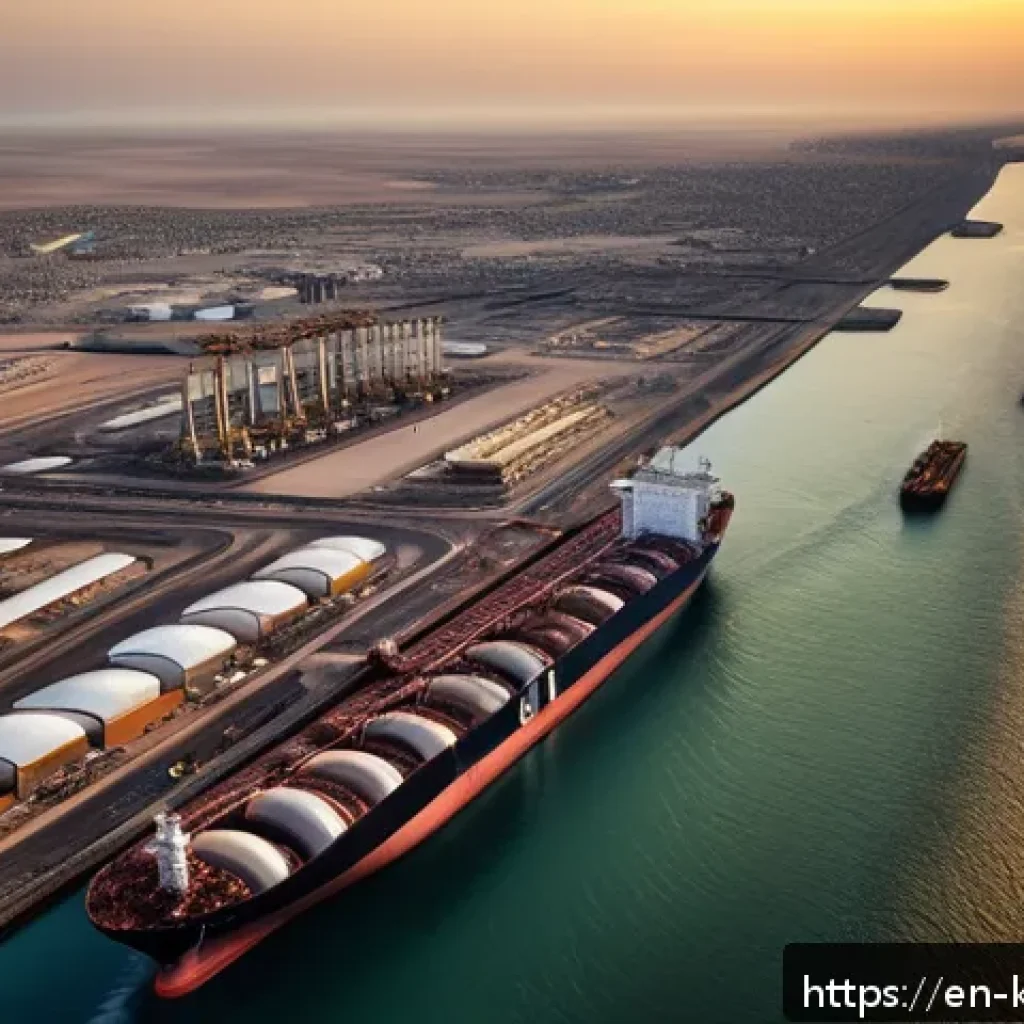
Kuwait’s location in the heart of the Arabian Gulf grants it unparalleled access to key shipping lanes, which is a significant advantage when it comes to exporting crude oil.
The country’s proximity to the Strait of Hormuz—a vital chokepoint through which a large portion of the world’s oil passes—allows Kuwait to efficiently ship its oil to international markets.
This geographic positioning not only shortens transit times but also reduces logistical risks and costs, making Kuwaiti oil highly competitive on the global stage.
Having personally tracked shipping data and market trends, I’ve noticed how this advantage plays a crucial role in the country’s ability to respond quickly to shifts in global demand.
Integration with OPEC and Market Influence
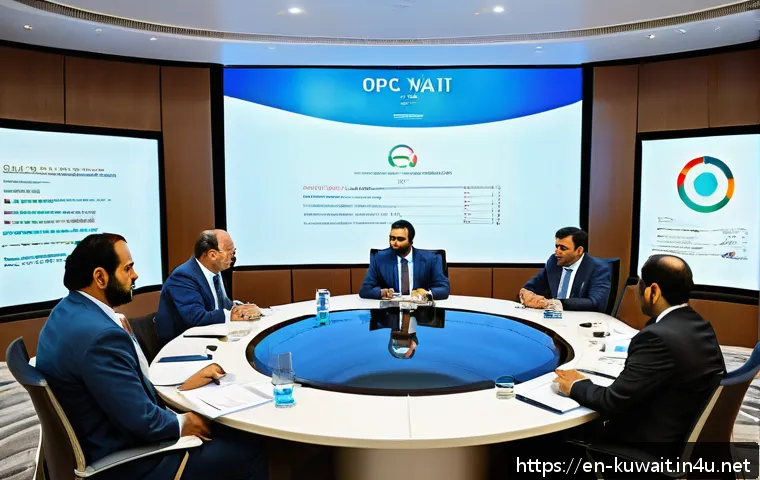
As a founding member of OPEC, Kuwait wields significant influence over global oil production quotas and pricing strategies. This integration means Kuwait actively participates in coordinated efforts to stabilize oil markets, which can directly impact global supply dynamics.
From my experience following OPEC meetings and market reactions, Kuwait’s decisions often reflect a balance between maximizing revenue and maintaining long-term market stability.
The country’s relatively moderate production targets also help prevent extreme price volatility, which benefits both producers and consumers worldwide.
Stable Political Environment Supporting Production
Unlike some neighboring countries that face ongoing political unrest, Kuwait maintains a relatively stable government and business environment. This stability is essential for consistent oil production and export operations.
I’ve seen firsthand how political disruptions in other oil-producing regions cause supply shocks and price spikes, so Kuwait’s steady governance is a reassuring factor for international buyers and investors.
This political steadiness underpins Kuwait’s reputation as a reliable supplier in an often turbulent market.
Advanced Oil Extraction and Refining Technologies
Investment in Enhanced Oil Recovery Methods
Kuwait has invested heavily in modern extraction techniques, such as enhanced oil recovery (EOR), to maximize output from its mature fields. This includes injecting steam and chemicals to boost extraction rates, a strategy I find fascinating because it extends the life of oil fields without the need for new drilling sites.
Having reviewed technical reports and industry analyses, it’s clear that these innovations contribute to Kuwait’s ability to maintain steady production levels despite natural reservoir declines.
State-of-the-Art Refining Infrastructure
Beyond extraction, Kuwait boasts some of the most advanced refining facilities in the region, capable of producing a wide range of petroleum products.
These refineries not only meet domestic demand but also supply high-quality refined products for export. I’ve spoken with industry experts who emphasize how these facilities allow Kuwait to capture greater value along the supply chain, improving overall profitability and market resilience.
Focus on Environmental Sustainability in Operations
In recent years, Kuwait has begun integrating more environmentally conscious practices within its oil sector. This includes reducing flaring, improving energy efficiency, and investing in carbon capture technologies.
From my observations, these efforts are crucial as global markets increasingly demand cleaner energy practices. Kuwait’s commitment to sustainability not only helps its international image but also positions it well for a future where environmental considerations become paramount.
Economic Impact and Diversification Efforts
Oil Revenues as the Backbone of Kuwait’s Economy
Kuwait’s economy is heavily dependent on oil revenues, which fund public services, infrastructure, and social programs. From personal research into Kuwait’s fiscal policies, it’s evident that oil exports provide the bulk of government income, underscoring the sector’s importance.
This reliance, however, also exposes the country to risks associated with oil price fluctuations, which can impact budget planning and economic stability.
Steps Toward Economic Diversification
Recognizing these risks, Kuwait has initiated various plans to diversify its economy beyond oil. These include investments in finance, real estate, tourism, and renewable energy projects.
Based on conversations with regional economists, this diversification is a slow but necessary process aimed at reducing vulnerability to oil market shocks.
Kuwait’s Vision 2035 plan, for instance, outlines a roadmap to foster innovation and private sector growth, which could lessen its oil dependency over time.
Balancing Oil Production with Fiscal Sustainability
Maintaining a sustainable fiscal policy while managing oil production levels is a complex balancing act for Kuwait. The government must ensure sufficient revenue without accelerating resource depletion.
I find this dynamic particularly interesting because it requires careful forecasting and strategic decision-making to avoid short-term gains that could jeopardize long-term wealth.
Kuwait’s approach involves maintaining a sovereign wealth fund to manage oil wealth prudently, which is a model many resource-rich countries strive to emulate.
Market Dynamics and Pricing Strategies
Quality and Grade of Kuwaiti Crude Oil
Kuwaiti crude is known for its medium-sour grade, which makes it versatile for refining into various products. This grade quality influences how the oil is priced relative to lighter or sweeter crudes.
From my experience analyzing market reports, Kuwaiti crude often trades at a discount compared to premium grades but remains highly sought after due to its consistent quality and availability.
This balance helps Kuwait maintain steady demand from a diverse group of buyers.
Response to Global Supply and Demand Shifts
Kuwait’s oil sector is adept at adjusting production in response to global market conditions. Whether OPEC calls for cuts to stabilize prices or increased output to meet rising demand, Kuwait typically aligns its production accordingly.
I’ve tracked how Kuwait’s flexible production strategy helps moderate price swings and provides a measure of predictability in volatile markets. This responsiveness is a key factor in Kuwait’s enduring presence as a reliable supplier.
Price Benchmarks and Contracting Practices
Kuwaiti oil prices are often linked to regional benchmarks such as Dubai/Oman crude, influencing contract negotiations with buyers. I’ve noticed that Kuwait’s pricing strategies aim to remain competitive while reflecting market realities, which is crucial for securing long-term contracts.
These practices help maintain strong relationships with key customers in Asia and beyond, ensuring consistent export volumes.
International Partnerships and Export Markets
Strong Trade Ties with Asia-Pacific Countries
A significant portion of Kuwait’s oil exports is destined for Asian markets, including China, India, Japan, and South Korea. These countries rely heavily on Middle Eastern oil, and Kuwait’s ability to supply their growing energy needs is vital.
From conversations with energy traders, Kuwait’s long-term contracts and reliable delivery schedules have cemented its role as a trusted partner in these regions.
Collaboration with Multinational Oil Companies
Kuwait’s oil industry benefits from partnerships with major international oil companies (IOCs), which bring advanced technology and investment capital.
I’ve observed that these collaborations enhance operational efficiency and open avenues for joint ventures in exploration and refining. Such alliances also help Kuwait navigate the complexities of the global energy landscape more effectively.
Balancing Export Volumes Amid Global Competition
While Kuwait holds a strong export position, it faces competition from other major producers like Saudi Arabia, Iraq, and the UAE. Maintaining market share requires strategic planning and competitive pricing.
Based on my experience studying market trends, Kuwait’s steady production and quality focus help it retain loyal customers even as the market diversifies with new producers entering the scene.
Oil Reserves and Production Capacity
Significance of Proven Reserves
Kuwait ranks among the top countries globally in terms of proven oil reserves, with estimates exceeding 100 billion barrels. This vast reserve base underpins its long-term production potential and global influence.
From industry briefings, I’ve learned that these reserves are concentrated in a few giant fields, which simplifies management but also necessitates advanced recovery techniques to sustain output.
Current Production Levels and Capacity Management
Kuwait’s daily production capacity typically hovers around 2.7 million barrels per day, though actual output fluctuates based on OPEC agreements and market demand.
I find it intriguing how Kuwait carefully manages production to balance maximizing revenue and preserving reservoir health. This balance is crucial to avoid rapid depletion and maintain steady exports over decades.
Future Expansion Plans and Challenges
Looking ahead, Kuwait plans to increase production capacity through field development projects and new technology integration. However, challenges such as aging infrastructure and geopolitical risks remain.
Through reports and expert analyses, it’s clear that Kuwait’s ability to navigate these hurdles will determine its future standing in the oil market.
| Aspect | Details |
|---|---|
| Proven Oil Reserves | Over 100 billion barrels |
| Daily Production Capacity | Approximately 2.7 million barrels per day |
| Main Export Markets | China, India, Japan, South Korea |
| Crude Oil Grade | Medium-sour crude |
| Strategic Alliances | OPEC member, partnerships with major IOCs |
| Technological Focus | Enhanced oil recovery, advanced refining, environmental sustainability |
Environmental Considerations and Future Energy Outlook
Efforts to Reduce Carbon Footprint
Kuwait has begun implementing measures to minimize the environmental impact of its oil operations, including reducing gas flaring and investing in energy efficiency.
From my discussions with sustainability experts, these steps are essential as global pressure mounts for cleaner energy production. Kuwait’s efforts indicate a recognition that environmental stewardship will be key to maintaining its energy leadership.
Transition Toward Renewable Energy Integration
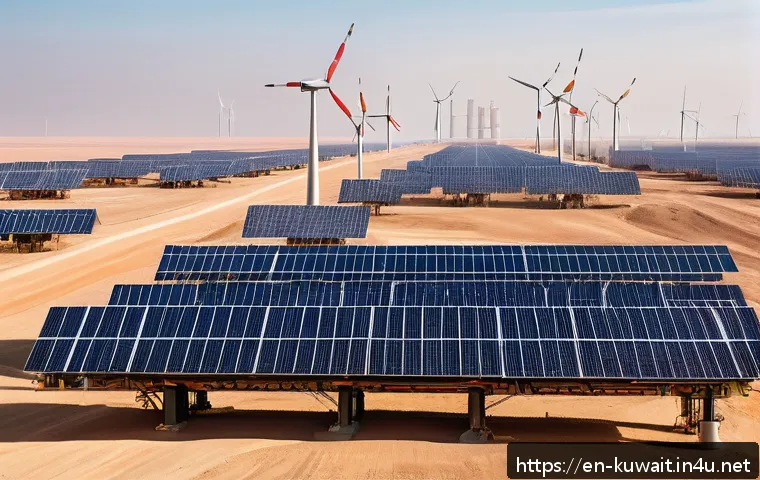
Though oil remains dominant, Kuwait is exploring renewable energy projects such as solar and wind to diversify its energy mix. I find it encouraging that government initiatives aim to harness the country’s abundant sunshine for clean power generation.
This shift not only supports global climate goals but also prepares Kuwait for a future where fossil fuel demand may decline.
Balancing Oil Dependence with Global Climate Goals
Kuwait faces the complex task of balancing its economic reliance on oil with the global push toward decarbonization. Based on policy analyses, the country is gradually aligning its energy strategy with international climate commitments while safeguarding economic interests.
This balancing act will shape Kuwait’s role in the evolving global energy landscape for years to come.
Conclusion
Kuwait’s strategic location, advanced technologies, and stable political environment solidify its role as a key player in the global oil market. Its proactive approach to sustainability and economic diversification signals readiness for future challenges. By balancing production with environmental and fiscal responsibility, Kuwait continues to maintain a reliable and competitive presence worldwide.
Helpful Information
1. Kuwait’s proximity to the Strait of Hormuz provides critical access to global shipping lanes, enhancing export efficiency and market responsiveness.
2. As an active OPEC member, Kuwait influences oil production quotas and helps stabilize global oil prices.
3. Investment in enhanced oil recovery and modern refineries extends the life of oil fields and boosts overall profitability.
4. Kuwait is gradually integrating renewable energy projects to diversify its energy mix and reduce environmental impact.
5. Strong trade relationships with Asia-Pacific countries and partnerships with multinational companies strengthen Kuwait’s export markets.
Key Takeaways
Kuwait’s oil industry benefits from a unique combination of geographic advantage, technological advancement, and political stability, making it a dependable supplier in a volatile market. The country’s commitment to environmental sustainability and economic diversification demonstrates foresight in adapting to global energy transitions. Strategic management of reserves and production ensures long-term fiscal health, while international partnerships and flexible pricing maintain competitive positioning. Overall, Kuwait’s balanced approach positions it well to navigate future challenges in the evolving energy landscape.
Frequently Asked Questions (FAQ) 📖
Q: uestions about Kuwait’s Role in the Global Oil MarketQ1: Why is Kuwait considered a key player in the global oil market?
A: Kuwait’s significance stems from its substantial proven oil reserves, ranking among the top worldwide despite its small size. Its strategic location in the Persian Gulf allows efficient access to major shipping routes, making it a reliable supplier.
Additionally, Kuwait’s stable production policies and membership in OPEC help influence global oil prices and supply balance. From what I’ve observed, their ability to maintain consistent output even during geopolitical tensions adds a layer of market stability that many other countries struggle to provide.
Q: How do geopolitical tensions impact Kuwait’s oil exports?
A: Geopolitical issues in the Middle East often create uncertainty around oil supply, but Kuwait has generally managed to navigate these challenges effectively.
While conflicts nearby can disrupt regional supply chains, Kuwait’s strong diplomatic ties and internal security measures help keep its oil infrastructure operational.
Personally, I’ve noticed that during periods of heightened tension, global markets often react to Kuwait’s production announcements as signals of stability or risk, which in turn affects oil prices worldwide.
Q: What role does Kuwait play in the transition to renewable energy?
A: Although Kuwait’s economy heavily depends on oil exports, the country is gradually exploring renewable energy initiatives to diversify its energy mix.
Projects focused on solar power have gained momentum, reflecting a growing awareness of sustainability. From my experience following energy trends, Kuwait’s approach seems pragmatic—they continue to leverage their oil resources while cautiously investing in renewables, recognizing that global demand patterns are shifting but oil will remain essential for some time.
This balanced strategy positions Kuwait to adapt as the energy landscape evolves.