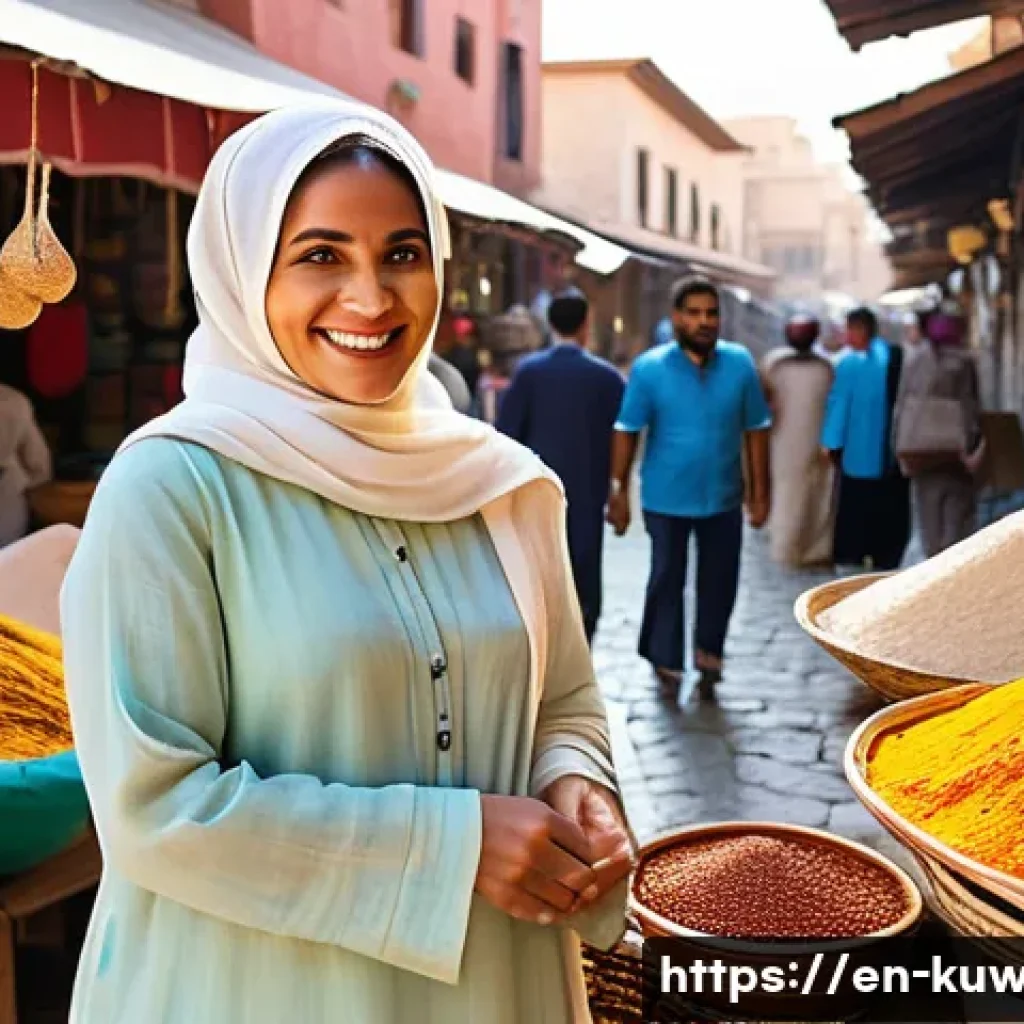
Traveling to a new country is always an adventure, full of exciting discoveries and unforgettable moments! But let’s be real, one of the first things many of us wonder, especially when heading to a culturally rich destination like Kuwait, is “What on Earth should I wear?!” I remember feeling a tiny bit overwhelmed myself before my first trip there, trying to figure out how to pack smartly while also being respectful of local customs.
It’s not just about avoiding a fashion faux pas; it’s about showing genuine respect for the vibrant culture and people you’ll encounter. Trust me, embracing the local dress etiquette can actually enhance your entire experience, helping you blend in more comfortably and even open doors to more authentic interactions.
You’ll find that dressing thoughtfully is a sign of respect that is truly appreciated. So, if you’re planning to explore Kuwait’s stunning landscapes, bustling souqs, or magnificent mosques, understanding the nuances of the local dress code is absolutely essential for a smooth and memorable journey.
Let’s uncover the secrets to stylish and respectful travel in Kuwait together.
Understanding the Nuances of Kuwaiti Dress Etiquette
Stepping into Kuwait, I quickly realized that dressing respectfully isn’t just about following rules; it’s a beautiful way to show you appreciate the rich culture and traditions of the place. It’s a sentiment I truly value, and I’ve found that when you make an effort, it opens up so many more genuine interactions with locals. You might think it’s all about covering up, but there’s a deeper understanding of modesty at play here that goes beyond just skin deep. For instance, while you might see local women in abayas, that’s not necessarily a requirement for visitors. It’s more about choosing clothes that are loose-fitting, not too revealing, and that simply don’t draw unnecessary attention. I remember my first time, agonizing over whether my sleeves were long enough, or if my skirt was too short. What I learned is that it’s about context and intent. Are you trying to blend in or stand out? For me, blending in comfortably always made the experience richer. It allows you to move freely through bustling souqs or quiet residential areas without feeling out of place. It’s a small adjustment that yields huge rewards in terms of personal comfort and cultural immersion. Think of it less as a restriction and more as a guide to enhancing your overall journey, allowing you to focus on the incredible sights and sounds around you rather than worrying about your outfit.
Beyond the Abaya: What Modesty Truly Means Here
When I first visited, like many, I pictured everyone in Kuwait wearing traditional abayas and headscarves. While many local women do, and they look incredibly elegant, it’s not the universal norm for female visitors. The essence of modesty here, as I’ve come to understand it, revolves around a sense of dignity and respect. It means avoiding anything overly tight, transparent, or with very deep necklines. I’ve found that flowing maxi dresses, long skirts, and trousers paired with long-sleeved tops are always a safe and comfortable bet. It’s about covering your shoulders, knees, and cleavage. I personally loved experimenting with different lightweight fabrics that kept me cool in the heat while still adhering to these guidelines. This approach not only keeps you respectful but also surprisingly comfortable in the warm Kuwaiti climate. It’s not about hiding your personal style, but rather adapting it thoughtfully to your surroundings. I remember seeing tourists who embraced this, and they just seemed so much more at ease and confident exploring. It’s a wonderful way to connect with the local atmosphere without feeling like you’re putting on a costume.
Making a Great First Impression: The Power of Respectful Dressing
You know that feeling when you walk into a new place and immediately feel either completely at home or utterly out of sync? That’s often tied to how you’re dressed, especially in a culturally rich country like Kuwait. Dressing respectfully here sends an immediate message of understanding and courtesy. It tells people you’ve taken the time to learn about their customs, and believe me, that’s genuinely appreciated. I’ve personally noticed that when I dress with consideration, I receive warmer smiles and more open conversations. It’s almost like a silent invitation for positive interactions. This doesn’t mean you need to sacrifice your personal style entirely; it’s more about smart adaptations. For example, I love vibrant colors, so instead of dull neutrals, I opted for brightly colored long-sleeved tunics and flowy pants. It allowed my personality to shine through while still showing respect. It’s a subtle yet powerful form of communication, making your experience smoother and richer from the moment you step out the door. Plus, you avoid any awkward stares or uncomfortable situations, which is always a bonus when you’re exploring unfamiliar territory.
Your Go-To Wardrobe Guide for Female Travelers
For my fellow female adventurers heading to Kuwait, let’s talk practicalities for your suitcase! I’ve tried and tested various outfits, and I’ve really nailed down what works best for comfort, respect, and looking good while exploring. The key is thinking “layers” and “flow.” You’ll be surprised how versatile a few key pieces can be. When I pack now, I focus on items that can be mixed and matched easily, allowing for adjustments throughout the day. For instance, a lightweight cardigan or a stylish kimono can quickly transform an outfit from casual to appropriate for more conservative settings. I remember a particularly hot day where a breathable cotton tunic and linen trousers saved me from feeling overwhelmed, allowing me to fully enjoy my visit to the Grand Mosque without a hint of discomfort. It’s about empowering yourself with choices that respect local customs while ensuring you feel your absolute best as you navigate the city. Don’t underestimate the power of a good quality, modest wardrobe; it truly impacts your entire travel experience. Being prepared means you can focus entirely on the wonders of Kuwait, from its modern architecture to its ancient traditions, without any wardrobe worries.
Embracing Comfort and Coverage: Everyday Essentials
When I think of my everyday essentials for Kuwait, comfort and coverage are top of mind. For me, this means opting for loose-fitting, breathable fabrics like cotton, linen, or even some blends that wick away moisture. Maxi dresses and long skirts are absolute saviors, especially those that reach your ankles. Pair them with long-sleeved blouses or tunics that cover your shoulders and elbows. I always make sure my tops aren’t too low-cut – a higher neckline is definitely the way to go. I personally love wide-leg palazzo pants or stylish culottes for a more modern look that still provides ample coverage. Darker colors might feel cooler in the sun, but I found lighter shades actually reflect the heat better. Don’t forget a lightweight scarf or pashmina! It’s an incredibly versatile accessory that can be used to cover your head when visiting mosques or just to add an extra layer of modesty if you feel the need. I swear by them! Having a few versatile pieces meant I could easily transition from a morning exploring the Souq Sharq to an afternoon in a museum, always feeling appropriate and at ease.
Special Occasions and Evening Wear: Dressing Up Thoughtfully
Evenings in Kuwait, especially if you’re attending a nice dinner or a social gathering, call for a slightly more polished look, but the principles of modesty still apply. I remember fretting over an evening event, wondering if my usual “dressy” outfits would work. What I found is that elegant abayas or stylish long dresses with sleeves are perfect. Think sophisticated rather than revealing. Rich fabrics and intricate details can elevate an outfit without compromising on coverage. If you’re opting for a dress, make sure it’s floor-length or at least covers your knees, and choose one with sleeves or pair it with a chic blazer or jacket. I once wore a beautiful jewel-toned maxi dress with a delicate lace long-sleeved overlay, and it felt absolutely perfect for a lovely dinner out. The key is to look refined and respectful. You’ll see local women dressed incredibly fashionably, often in custom-made abayas that are true works of art. You can absolutely mirror that elegance with your own interpretation. Accessorize with statement jewelry or a beautiful clutch to complete your look. It’s all about finding that balance where you feel glamorous and appropriate.
Smart Packing Tips for Male Visitors
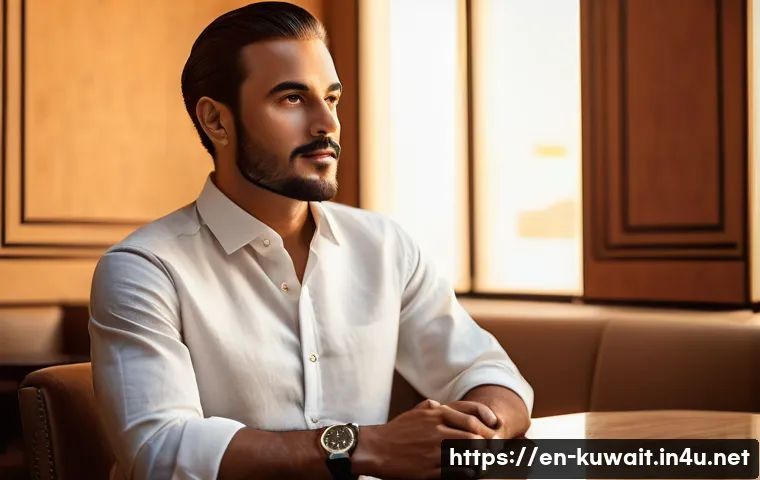
Gentlemen, when it comes to packing for Kuwait, the focus shifts slightly from women’s attire but the underlying principle of respect remains constant. I’ve traveled extensively, and I’ve seen men make some glaring wardrobe mistakes that could easily be avoided. Think sharp, think clean, and think modest. While you might not be donning a thobe (though you absolutely can if you feel adventurous!), there’s a definite expectation for men to present themselves neatly. I always advise my male friends to ditch the ripped jeans and graphic tees for more understated, classic pieces. It’s not about being overly formal all the time, but rather about choosing clothes that convey a sense of maturity and respect for the environment you’re in. For example, a crisp polo shirt or a linen button-down will always serve you better than a sleeveless top. I personally find that investing in a couple of good quality, breathable shirts and some comfortable trousers makes a world of difference for both comfort and appearance. Remember, even in the heat, presenting yourself well makes a significant positive impact on your interactions and overall experience in Kuwait.
Navigating Business and Casual Settings
For men, navigating the dress code in Kuwait really depends on where you’re headed. For business meetings, a suit or smart trousers with a long-sleeved dress shirt and a tie are pretty much standard. I’ve observed that darker suits are common, but in the intense summer heat, a lighter-colored linen suit or tailored trousers with a crisp shirt can also work perfectly. When it comes to casual outings – exploring the souqs, dining out, or sightseeing – smart casual is the way to go. This means avoiding shorts (especially short ones) in public. Opt for tailored trousers or smart chinos. Long-sleeved or short-sleeved button-down shirts made of breathable fabrics like cotton or linen are ideal. Polo shirts are also perfectly acceptable for a relaxed yet respectful look. I always recommend avoiding overly loud patterns or slogan t-shirts. A simple, well-fitting t-shirt under an open linen shirt is a great option. I remember once I wore a slightly faded t-shirt to a casual lunch and felt a bit underdressed compared to the sharp-looking locals. It taught me to always err on the side of a bit more polish.
Footwear Finesse: What to Wear on Your Feet
Footwear is another aspect where practicality meets politeness in Kuwait. For business and more formal settings, closed-toe shoes like loafers or dress shoes are expected. I’ve always found that a good pair of polished leather shoes completes a smart outfit perfectly. For everyday casual wear, comfortable walking shoes or smart sandals (not flip-flops unless you’re by a pool or beach) are suitable. You’ll be doing a fair bit of walking if you’re exploring the markets or cultural sites, so comfort is key. However, avoid overly casual or worn-out athletic shoes for most public appearances, unless you’re specifically going to a gym. I remember one trip where I packed only sneakers and quickly realized how out of place they looked in some of the more upscale malls and restaurants. It made me wish I’d brought a pair of smart leather sandals or loafers. A good rule of thumb is to choose footwear that complements your overall smart-casual attire. Keeping your shoes clean and presentable also goes a long way in showing respect.
| Category | Recommended for Women | Recommended for Men | Avoid for All |
|---|---|---|---|
| Tops | Long-sleeved blouses/tunics, high necklines | Long/short-sleeved button-downs, polo shirts | Tank tops, strapless, deep V-necks, graphic tees |
| Bottoms | Maxi skirts, wide-leg trousers, modest dresses | Tailored trousers, chinos, smart jeans | Shorts (especially short), ripped jeans, leggings as outer wear |
| Outerwear | Light cardigans, kimonos, pashminas/scarves | Light jackets, smart blazers | Heavy coats (unless winter), overly casual hoodies |
| Footwear | Comfortable sandals, closed-toe flats, smart heels | Loafers, dress shoes, smart sandals, clean sneakers | Flip-flops (outside beach/pool), dirty/worn-out shoes |
| General Tip | Opt for loose-fitting, opaque fabrics. Carry a scarf. | Choose neat, well-fitting clothing. Prioritize natural fabrics. | Transparent fabrics, excessively tight clothing, revealing attire |
Respecting Sacred Spaces: Mosque Visit Attire
Visiting a mosque in Kuwait is an incredibly moving and beautiful experience, truly a highlight of any trip. But it’s also where dress code expectations are at their most specific and important. I remember my first time preparing to enter the Grand Mosque; there’s a distinct feeling of reverence that calls for a conscious effort in your attire. It’s not just about covering up, but about approaching a place of worship with humility and honor. I’ve learned that making this effort truly enhances the spiritual significance of the visit. You’re entering a space that means a great deal to many people, and your respectful presentation is a quiet acknowledgment of that. The beauty of the architecture and the peaceful atmosphere truly captivate you, and you want to ensure your presence is in harmony with that serene environment. Don’t rush this part of your preparation; take a moment to ensure your clothing is appropriate. It will make your visit all the more meaningful and memorable, allowing you to fully immerse yourself in the tranquility and grandeur of these sacred sites. It’s a chance to step outside of everyday norms and participate in a deeply cultural and spiritual moment.
A Moment of Reflection: Preparing for Your Visit
Before you even step foot into a mosque, take a moment to ensure your attire is absolutely on point. For women, this means ensuring your hair is completely covered by a scarf, and your arms and legs are fully concealed. I always make sure my top is long-sleeved and my trousers or maxi skirt reach my ankles. A loose-fitting abaya is often provided at larger mosques like the Grand Mosque in Kuwait City, which is super helpful and ensures you’re perfectly covered. If you choose to wear your own clothing, make sure it’s opaque and not figure-hugging. For men, long trousers and a long-sleeved shirt are essential. Short-sleeved shirts are generally acceptable, but if you have a long-sleeved option, it’s often preferred. I always make sure to remove my shoes before entering the prayer halls – there are usually designated areas for this. It’s a small but significant gesture of respect. This careful preparation allows you to focus purely on the stunning architecture, the intricate details, and the peaceful ambiance, rather than worrying about your outfit.
Practicalities for Photography and Exploration
While mosques are incredible photographic subjects, it’s crucial to be mindful of your surroundings, even when you’re focusing on getting that perfect shot. My personal rule of thumb is to always ask for permission if I’m unsure about photographing people, especially those in prayer. Generally, taking photos of the architecture and interiors is fine, but always be discreet and respectful. Remember that these are active places of worship, so keep your voice down and move quietly. I always found it helpful to explore the mosque at a slower pace, taking in the intricate designs and peaceful atmosphere before I even thought about snapping photos. Make sure you don’t pose in ways that might be considered disrespectful, such as turning your back to the prayer area for a selfie. When moving around, be aware of prayer times; if you see people gathering for prayer, try to stay out of their way and avoid walking in front of them. Maintaining modesty in your movements, just as in your dress, ensures a harmonious and respectful visit. It’s about being an observant and appreciative guest in a sacred space.
Weathering the Kuwaiti Climate in Style
Kuwait’s climate is, to put it mildly, intense! The heat can be quite formidable, especially during the summer months, and managing to stay cool while still dressing respectfully is a fine art I’ve learned to master. It’s not just about what you wear, but *how* you wear it and the materials you choose. I remember one trip in July where I underestimated the sun’s power, wearing synthetic fabrics that left me feeling sticky and uncomfortable almost immediately. That was a lesson learned the hard way! Now, I prioritize comfort and breathability above all else, making sure my clothing choices actively help me combat the heat. It truly makes a world of difference in your energy levels and overall enjoyment of your activities. You want to be able to explore the vibrant souqs, walk along the Corniche, or visit historical sites without feeling utterly drained by the heat. Thoughtful fabric choices and clever accessorizing aren’t just about looking good; they’re essential tools for making your Kuwaiti adventure comfortable and memorable, allowing you to fully embrace every moment without being preoccupied with discomfort.
Fabrics and Fits: Staying Cool and Covered
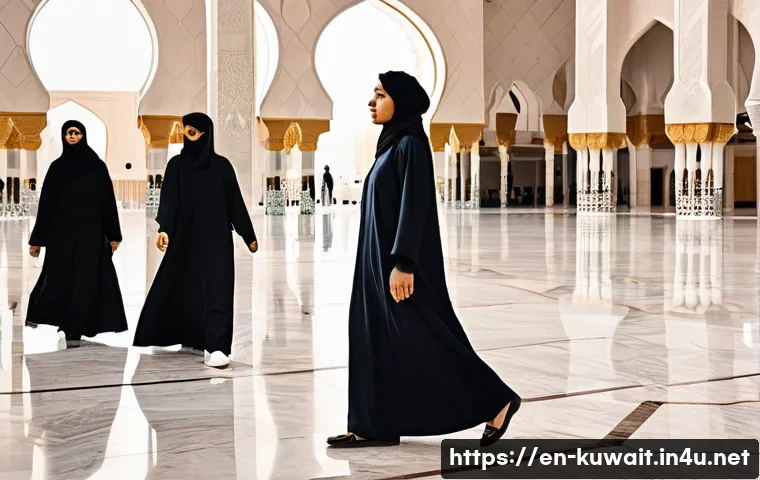
My top tip for beating the heat while staying modest in Kuwait is all about fabric and fit. Seriously, this is a game-changer! Opt for natural, lightweight, and breathable fabrics like linen, cotton, or even a good quality rayon. These materials allow your skin to breathe and help wick away moisture, preventing that sticky, uncomfortable feeling. Synthetics, unless they are specifically designed for hot climates with moisture-wicking properties, tend to trap heat and leave you feeling miserable. As for fit, think loose and flowy. Tight clothing, regardless of fabric, will make you feel hotter and can also be less modest. For women, maxi dresses and wide-leg trousers are fantastic. For men, linen shirts and loose cotton trousers are perfect. I always lean towards lighter colors too, as they reflect sunlight rather than absorbing it. A white linen shirt or a light blue cotton dress will feel significantly cooler than a black one. Believe me, I’ve tested this extensively, and the difference is palpable. It truly transforms your comfort level and allows you to enjoy your day much more.
Accessorizing Smartly for Sun and Sand
Beyond your main outfit, smart accessorizing can make a huge difference in staying comfortable and looking chic in Kuwait’s climate. A wide-brimmed hat is an absolute non-negotiable for me, especially when I’m out exploring during the day. It offers crucial protection from the intense sun for your face and neck. And sunglasses? Essential! Not just for style, but to protect your eyes from the bright glare. I always carry a lightweight scarf or pashmina in my bag. It’s incredibly versatile: perfect for providing extra head or shoulder coverage when needed, or even just as a quick shield from a sudden gust of wind carrying sand. Don’t forget a reusable water bottle to stay hydrated – the heat can be dehydrating quicker than you’d expect. While not an ‘accessory’ in the fashion sense, carrying a small, powerful portable fan or cooling towel can be a lifesaver on particularly scorching days. These little additions not only complete your look but actively contribute to your comfort and well-being, allowing you to focus on the wonders around you instead of battling the elements.
Seamlessly Blending In: Shopping for Local Finds
One of my favorite things to do when traveling is to immerse myself in the local culture, and for me, that often means exploring local markets and discovering unique fashion finds. In Kuwait, this is an absolute treat! The souqs, particularly the historic Souq Mubarakiya, are treasure troves of textiles, traditional garments, and beautiful accessories. What’s fantastic is that by shopping locally, you not only find unique pieces to remember your trip by but also gain a deeper appreciation for the local aesthetic and craftsmanship. I’ve found some truly stunning pieces that perfectly blend local tradition with modern wearability. It’s a wonderful way to subtly enhance your travel wardrobe and really blend into the local scene, even if just for a day. Plus, it’s a great opportunity to practice your bargaining skills – a true joy in any Middle Eastern market! This experience often leads to unexpected discoveries and conversations, adding another layer of authenticity to your journey. Don’t be afraid to step out of your comfort zone and try something new; you might just find your new favorite outfit or accessory.
Discovering Traditional Garments and Souvenirs
When you wander through the bustling alleys of Souq Mubarakiya, you’ll be surrounded by an array of traditional garments that are simply captivating. For women, you might find beautiful, intricately embroidered abayas and kaftans. While you might not wear an abaya every day, a stylish kaftan can be a fantastic, comfortable, and modest choice for evenings or even just lounging. I personally picked up a few gorgeous pashminas with local patterns that I still wear regularly back home. For men, you’ll see the traditional thobe (dishdasha) and ghutra (head covering), which many local men wear. While most visitors won’t wear a thobe, it’s fascinating to see and understand. You can also find high-quality fabrics that are perfect for tailoring a custom outfit later. Beyond clothing, the souqs are brimming with stunning jewelry, perfumes (especially oud), and handicrafts that make for perfect souvenirs and a reminder of Kuwait’s rich heritage. It’s an authentic shopping experience that tells a story, far removed from the globalized brands you might find in the malls.
Bringing Kuwaiti Fashion Home: My Personal Picks
I always make sure to bring a piece of my travels home, and Kuwait was no exception, especially with its beautiful textiles. My absolute favorite purchase was a lightweight, embroidered linen tunic that I found in a small boutique near the old market. It’s incredibly versatile and reminds me of the vibrant colors and patterns I saw everywhere. I also picked up a couple of beautiful silk scarves with subtle geometric designs. These are fantastic for adding a touch of elegance to any outfit and are a constant reminder of my time exploring the city’s hidden gems. For men, a custom-tailored shirt made from a fine local fabric could be a fantastic take-home item – a truly unique souvenir that blends practicality with cultural flair. Don’t overlook the local perfume oils, particularly those infused with oud. While not clothing, they are a quintessential part of the local aesthetic and can evoke wonderful memories of your trip. These small, thoughtful acquisitions allow me to weave a bit of Kuwait’s unique style into my everyday life, keeping the spirit of my adventure alive long after I’ve returned home.
Wrapping Up Our Style Journey in Kuwait
As we wrap up this exploration of Kuwaiti dress etiquette, I truly hope you feel more confident and excited about packing your bags! What I’ve learned firsthand is that dressing thoughtfully in Kuwait isn’t just about following guidelines; it’s a beautiful expression of respect that opens doors to warmer interactions and deeper cultural immersion. It allowed me to connect with the incredible people and vibrant spirit of this nation in a way I hadn’t anticipated. Remember, every piece of clothing you choose is a subtle nod to the rich traditions around you, ensuring your journey is as comfortable as it is enriching. So go ahead, embrace the elegance of modesty, and prepare for an unforgettable adventure where your attire helps you feel completely at ease and truly part of the vibrant tapestry of Kuwaiti life.
Useful Information to Know
1. A simple “Salam Alaikum” (hello) and “Shukran” (thank you) in Arabic go a long, long way. Locals truly appreciate the effort, and it often leads to friendlier interactions and wider smiles.
2. While generally modern, public displays of affection are not customary and can be seen as disrespectful. Keeping a respectful distance and avoiding overly intimate gestures is always a good idea.
3. Remember that Friday is the holy day in Kuwait, much like a Sunday in many Western countries. Many businesses might have altered hours or be closed, especially in the mornings, so plan your activities accordingly.
4. The local currency is the Kuwaiti Dinar (KWD), which is one of the highest-valued currencies in the world. Credit cards are widely accepted, but it’s always wise to carry some smaller denominations for souqs or smaller purchases.
5. When taking photos, especially in crowded areas or of people, always be discreet and respectful. If you want to photograph an individual, it’s always best to ask for permission first to avoid any misunderstandings.
Key Takeaways
Ultimately, navigating dress etiquette in Kuwait boils down to respect, comfort, and common sense. Opt for loose-fitting, opaque clothing that covers your shoulders, knees, and cleavage. Embrace natural, breathable fabrics to stay cool, and always carry a versatile scarf. For men, smart casual attire with trousers and collared shirts is generally appropriate. Remember, your effort to dress modestly isn’t a restriction, but a bridge to a richer, more authentic travel experience, fostering genuine connections and ensuring you feel at home in this welcoming Gulf nation.
Frequently Asked Questions (FAQ) 📖
Q: What are the main clothing guidelines for women visiting Kuwait, especially for tourists like me?
A: Oh, this is such a common and absolutely valid question! When I first planned my trip to Kuwait, figuring out what to wear as a woman felt a bit like solving a puzzle.
But honestly, it’s quite straightforward once you get the hang of it, and it all boils down to respect and modesty. For women, the general rule of thumb is to opt for loose-fitting clothing that covers your shoulders, upper arms, and knees.
Think long skirts, maxi dresses, or loose trousers coupled with tops that aren’t too revealing around the neckline. You’ll see many local women wearing abayas, which are the beautiful long black cloaks, but as a tourist, you are absolutely not expected to wear one.
However, dressing modestly helps you blend in more comfortably and shows respect for the local culture, which goes a long way. I’ve found that light, breathable fabrics like cotton or linen are your best friends, especially with Kuwait’s warm climate.
They keep you cool and covered without feeling heavy. Don’t forget to pack a versatile scarf or pashmina! It’s a lifesaver – perfect for covering your head if you decide to visit a mosque (which I highly recommend, they are stunning!) or just for an extra layer of modesty if you feel a bit underdressed in certain situations.
Trust me, embracing this thoughtful approach to dressing really opens up your experience and allows you to immerse yourself in everything Kuwait has to offer without a second thought about your outfit.
Q: What about men’s attire in Kuwait? Is it as strict, or can guys be a bit more relaxed with their clothing choices?
A: That’s a great question, and yes, while the focus often shifts to women’s dress codes, men also play a part in showing respect through their attire in Kuwait, though it’s generally a bit more relaxed.
From my own experience, I’d say modesty is still key for men, especially when you’re out and about in public places. You’ll see local men often wearing the traditional thobe (a long white robe) and ghutra (head covering), which is incredibly dignified.
As a male tourist, you’re certainly not expected to don a thobe, but long trousers or neat chinos are always a safe bet. Pair them with a comfortable collared shirt, polo shirt, or a t-shirt that isn’t too graphic or revealing.
While shorts might be okay in very casual, tourist-focused areas or at your hotel pool, I personally feel more comfortable, and notice others do too, opting for long pants in most public settings like malls, restaurants, or cultural sites.
It just shows a level of respect that’s truly appreciated. Avoid overly casual wear like sleeveless shirts or extremely short shorts, particularly if you plan on visiting any government buildings or religious sites.
When I travel, I always pack a few button-down shirts – they’re versatile, look smart, and keep you cool, making it easy to transition from a casual lunch to an evening out without feeling out of place.
Q: Are there any specific places, like mosques or the souqs, where I need to be extra mindful of what I wear, and do you have any tips for staying comfortable in the Kuwaiti heat while adhering to the dress code?
A: Absolutely! This is where those little bits of insider knowledge really come in handy. When it comes to specific locations, mosques are definitely at the top of the list for requiring extra care with your attire.
For women, this means ensuring your head is covered (that scarf I mentioned earlier comes in handy!), and that your arms and legs are fully covered. Loose clothing is essential here.
Men should also wear long trousers and shirts with sleeves. Footwear usually needs to be removed before entering, so easy-to-slip-off shoes are a bonus!
Outside of mosques, places like the bustling souqs, government buildings, or more traditional areas also warrant a slightly more conservative approach.
While you might see some variation in fashion in modern shopping malls, it’s always better to err on the side of modesty to show cultural sensitivity.
Now, about staying comfortable in Kuwait’s heat – it can be intense, but it doesn’t have to be a barrier to dressing respectfully! My go-to strategy is layering with lightweight, natural fabrics.
Think linen, cotton, or even a breathable rayon. Light colors reflect the sun and keep you cooler. I always pack thin long-sleeved shirts that offer sun protection and can be easily rolled up when indoors, and a light cardigan or shawl for the sometimes fierce air conditioning in buildings.
And seriously, hydrate, hydrate, hydrate! Carrying a reusable water bottle is a must. Remember, embracing the local dress code isn’t about sacrificing comfort or your personal style; it’s about adapting thoughtfully, and honestly, you’ll find that a respectful approach really enhances your ability to connect with the incredible culture and people around you.