Kuwait’s vibrant art scene is gaining international attention in 2024, offering a fresh wave of creativity and cultural expression. This year’s museum exhibitions showcase not only traditional heritage but also cutting-edge contemporary works that reflect the country’s dynamic spirit.

Whether you’re an art lover or a curious traveler, exploring these captivating displays provides a unique window into Kuwait’s evolving identity. With global art trends shifting towards immersive and interactive experiences, Kuwait’s museums are stepping up to deliver just that.
Join me as we dive into the most exciting exhibitions that are shaping Kuwait’s artistic landscape this year. You won’t want to miss these inspiring stories and stunning visuals that make Kuwait a must-visit destination for art enthusiasts.
Immersive Art Installations Transforming Visitor Experiences
Breaking Boundaries with Interactive Media
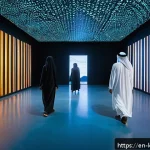
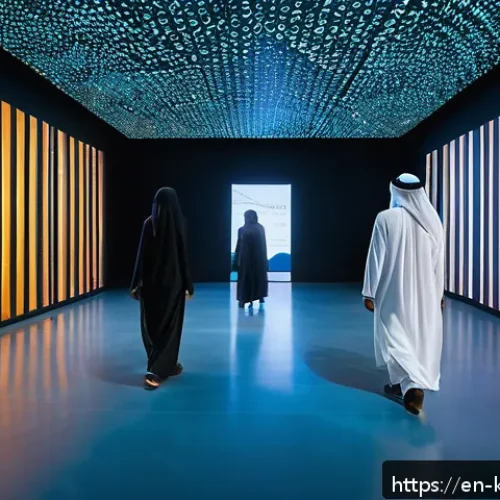
Many Kuwaiti museums are embracing interactive technology to engage visitors beyond traditional viewing. For example, digital projections and motion sensors allow guests to manipulate artworks in real time, creating a personal connection to the piece.
During my visit to one such exhibition, I found myself drawn into a world where light and sound responded to my movements—something you rarely experience in more conventional galleries.
This hands-on approach sparks curiosity and makes art accessible to audiences of all ages and backgrounds, turning passive observation into active participation.
Multi-Sensory Exhibitions that Engage Emotionally
Several exhibitions combine visual art with soundscapes, scents, and tactile elements, crafting an environment that stimulates multiple senses simultaneously.
Walking through these spaces feels like stepping inside the artist’s imagination. For instance, one exhibit paired abstract paintings with ambient music and subtle aromas that reflected the cultural themes portrayed.
This immersive design invites deeper emotional engagement, making the artwork resonate on a more personal level. It’s clear that Kuwaiti curators are pushing the envelope to create memorable, holistic art experiences.
The Role of Technology in Contemporary Kuwaiti Art
Technology not only enhances the visitor experience but also serves as a medium for Kuwaiti artists themselves. Many contemporary creators use VR, AR, and digital fabrication to explore identity, heritage, and social issues.
This fusion of tradition and innovation highlights Kuwait’s dynamic art scene and its eagerness to evolve. As someone who has explored these tech-driven works, I appreciate how they challenge conventional art forms and invite dialogue about the future of cultural expression in the region.
Celebrating Kuwait’s Rich Cultural Heritage Through Art
Reviving Traditional Crafts in Modern Contexts
Kuwaiti artists are skillfully blending age-old techniques like textile weaving, calligraphy, and pottery with contemporary aesthetics. This revival breathes new life into cultural heritage, making it relevant for today’s audiences.
I encountered pieces where traditional patterns were reimagined with bold colors and abstract forms, creating a bridge between past and present. These works not only preserve Kuwaiti identity but also inspire younger generations to value their roots while embracing innovation.
Storytelling Through Visual Narratives
Many exhibitions focus on storytelling, using art to narrate Kuwait’s history and societal changes. Paintings, sculptures, and mixed media works depict everything from pearl diving traditions to urban transformation.
These narratives provide context and deepen understanding, especially for international visitors who may be unfamiliar with Kuwaiti culture. Personally, I found these stories compelling—they offer a window into the lived experiences of the people behind the art, making the exhibitions profoundly human and relatable.
The Impact of Cultural Preservation on National Identity
Art’s role in preserving culture is vital in Kuwait, especially as rapid modernization reshapes the landscape. Museums act as custodians, safeguarding artistic heritage while encouraging contemporary reinterpretation.
This balance strengthens national identity by honoring the past and embracing change. From my perspective, this dynamic fosters pride and continuity, ensuring that Kuwaiti culture remains vibrant and relevant amid global influences.
Emerging Kuwaiti Artists Shaping the Future
New Voices and Perspectives in the Art Scene
A wave of young Kuwaiti artists is gaining recognition for their fresh approaches and diverse themes. Many tackle issues such as gender, environment, and globalization, offering critical insights through their work.
Meeting some of these artists revealed their passion and dedication to pushing artistic boundaries. Their creativity injects energy into the local scene, attracting international galleries and collectors eager to discover new talent.
Collaborations and Cross-Cultural Influences
Emerging artists often collaborate with peers from different countries, blending styles and ideas to create hybrid forms. These cross-cultural exchanges enrich Kuwait’s art landscape and broaden its global reach.
I was impressed by projects that combined Middle Eastern motifs with contemporary Western techniques, resulting in innovative and thought-provoking pieces.
Such collaborations demonstrate the fluidity of art and its power to transcend borders.
Supporting Emerging Talent Through Residency Programs
Residency programs and art incubators in Kuwait provide vital platforms for young artists to develop and showcase their work. These initiatives offer mentorship, resources, and exposure, helping artists refine their skills and gain visibility.
Visiting a residency studio, I witnessed firsthand the vibrant creative energy and supportive community fostering artistic growth. This nurturing environment is essential for sustaining Kuwait’s burgeoning art scene and ensuring its continued evolution.
Global Art Trends Reflected in Kuwaiti Exhibitions
The Rise of Sustainable and Eco-Conscious Art
Environmental awareness is increasingly influencing Kuwaiti artists, who incorporate sustainability themes and materials into their practice. Exhibitions showcase works made from recycled or natural materials, highlighting ecological concerns.
I found these pieces particularly striking for their message and craftsmanship, emphasizing art’s role in advocating for a greener future. This trend aligns Kuwait with global movements that prioritize environmental responsibility in creative expression.
The Popularity of Collaborative and Community Art
Community-driven projects are gaining traction, involving local residents in the creative process. These collaborative works foster social cohesion and empower participants by giving them a voice through art.
During an interactive mural project I visited, neighborhood members contributed ideas and painted sections, creating a collective masterpiece. Such initiatives reflect a shift toward participatory art that strengthens community ties and democratizes cultural production.
Digital Art and NFTs in Kuwait’s Contemporary Scene
Digital art and NFTs are emerging fields within Kuwait’s art market, offering new opportunities for artists and collectors. Kuwaiti creators are experimenting with blockchain technology to authenticate and sell digital works, expanding their reach to global audiences.
I’ve observed growing interest in this sector, with museums and galleries beginning to incorporate digital exhibitions. This embrace of innovation positions Kuwait at the forefront of contemporary art trends.
Architectural Spaces Enhancing Art Presentation
Designing Museums as Experiential Destinations

Kuwaiti museums are investing in architectural designs that complement and elevate the artworks. Spacious galleries, natural lighting, and thoughtfully curated layouts create immersive environments that enhance visitor engagement.
Walking through these spaces, I noticed how architecture itself becomes part of the artistic narrative, framing and contextualizing the exhibits. This holistic approach transforms museums into cultural hubs rather than mere display venues.
Adaptive Reuse of Historical Buildings
Some exhibitions are housed in repurposed heritage sites, blending historical ambiance with contemporary art. This adaptive reuse preserves architectural heritage while providing unique settings for exhibitions.
Experiencing art within these authentic spaces adds depth and resonance, connecting the past with present creativity. It’s a brilliant strategy that respects Kuwait’s architectural legacy while fostering artistic innovation.
The Role of Outdoor Spaces in Art Engagement
Public art installations and sculpture gardens around Kuwait encourage spontaneous encounters with art. These outdoor spaces invite community interaction and make art accessible beyond museum walls.
I often find these installations refreshing, offering moments of reflection amid urban life. They also contribute to placemaking, enhancing the city’s cultural vibrancy and making art part of everyday experience.
| Exhibition Type | Key Features | Impact on Visitors |
|---|---|---|
| Immersive Installations | Interactive media, multi-sensory elements, technology-driven experiences | Enhanced engagement, emotional connection, participatory learning |
| Heritage Revival | Traditional crafts, storytelling, cultural preservation | Deeper cultural understanding, national pride, continuity |
| Emerging Artists | New perspectives, cross-cultural collaboration, residency programs | Fresh creativity, global recognition, community support |
| Global Trends | Sustainability, community art, digital art & NFTs | Awareness raising, social cohesion, innovation |
| Architectural Spaces | Experiential design, adaptive reuse, outdoor installations | Immersive environment, heritage connection, public accessibility |
Educational Programs Amplifying Art Appreciation
Workshops and Artist Talks
Kuwaiti museums regularly host workshops and artist talks that invite visitors to engage directly with creators. These sessions provide behind-the-scenes insights into artistic processes and inspirations.
Attending one such talk, I gained a new appreciation for the complexities and intentions behind the artwork, deepening my overall experience. These educational programs foster dialogue and make art more approachable for diverse audiences.
School Partnerships and Youth Engagement
Collaborations between museums and schools encourage young people to explore art from an early age. Through guided tours, interactive activities, and creative projects, students develop critical thinking and cultural literacy.
I’ve seen firsthand how these programs inspire enthusiasm and creativity among youth, planting seeds for future generations of art lovers and makers. This investment in education strengthens Kuwait’s cultural ecosystem.
Digital Learning Platforms Expanding Reach
To reach wider audiences, many institutions offer online resources such as virtual tours, tutorials, and digital archives. These platforms make art accessible regardless of location, expanding Kuwait’s cultural footprint internationally.
Experiencing virtual exhibitions, I found the convenience and interactivity compelling, especially for those unable to visit in person. This digital shift complements physical exhibitions and broadens the impact of Kuwaiti art globally.
The Economic Impact of Kuwait’s Growing Art Market
Increasing Art Tourism and Its Benefits
The surge in prominent exhibitions has boosted art tourism, drawing collectors, critics, and enthusiasts from around the world. This influx supports local businesses, hotels, and restaurants, contributing to economic diversification beyond oil revenues.
From my conversations with local guides, it’s clear that art-related tourism is becoming a vital sector, creating jobs and promoting cultural exchange.
Art as an Investment and Market Expansion
Kuwait’s art market is maturing, with galleries and auction houses facilitating sales of contemporary and traditional works. Collectors view art both as cultural capital and financial investment.
The growing demand encourages artists to innovate and produce high-quality works. Observing recent auctions, I noticed increased participation from regional and international buyers, signaling confidence in Kuwait’s art economy.
Government and Private Sector Support
Both public institutions and private sponsors play crucial roles in funding exhibitions, festivals, and artist programs. This support ensures sustainability and encourages ambitious projects that elevate Kuwait’s global cultural profile.
Having attended events sponsored by diverse stakeholders, I appreciate how collaboration fosters a thriving environment where art and business intersect beneficially.
This partnership model serves as a blueprint for cultural growth worldwide.
Conclusion
Exploring Kuwait’s vibrant art scene reveals a fascinating blend of tradition and innovation that enriches visitor experiences. From immersive installations to emerging artists and sustainable trends, the cultural landscape is rapidly evolving. These dynamic developments not only deepen appreciation for art but also strengthen community connections and national identity. It’s inspiring to see how art continues to shape Kuwait’s cultural future.
Useful Information
1. Immersive art installations use interactive technology to create engaging, multi-sensory experiences that invite active participation from visitors.
2. Traditional crafts are being revitalized with modern designs, helping preserve cultural heritage while appealing to new audiences.
3. Young Kuwaiti artists bring fresh perspectives, often collaborating internationally and benefiting from residency programs to grow their influence.
4. Global art trends such as sustainability, community involvement, and digital innovation, including NFTs, are increasingly reflected in Kuwaiti exhibitions.
5. Educational initiatives and architectural design enhance art appreciation and accessibility, supporting both local engagement and international outreach.
Key Takeaways
Kuwait’s art scene is marked by a harmonious balance of honoring cultural roots and embracing contemporary innovation. Interactive and multi-sensory exhibitions transform how audiences engage with art, while emerging artists contribute new voices and global connections. The integration of sustainability and digital technologies underscores Kuwait’s alignment with worldwide art movements. Additionally, strong educational programs and thoughtfully designed spaces play a crucial role in fostering a vibrant, inclusive cultural environment that benefits both the community and the economy.
Frequently Asked Questions (FAQ) 📖
Q: What makes Kuwait’s 2024 art exhibitions stand out compared to previous years?
A: Kuwait’s 2024 art exhibitions are exceptional because they blend traditional heritage with cutting-edge contemporary art, offering visitors a rich and diverse cultural experience.
Unlike previous years, this season embraces immersive and interactive installations that invite audiences to engage with the artworks on a deeper level.
The dynamic spirit of Kuwait is captured through innovative presentations, making the exhibitions not just displays but transformative experiences that reflect the country’s evolving identity.
Q: Are these exhibitions suitable for first-time visitors or only for seasoned art enthusiasts?
A: Absolutely, these exhibitions cater to everyone—from seasoned art lovers to curious travelers experiencing Kuwait for the first time. The museums have curated their displays to be accessible and engaging, with clear explanations and interactive elements that help newcomers connect with the art.
Personally, I found that even without prior art knowledge, the immersive setups and storytelling made it easy to appreciate the creativity and cultural significance behind each piece.
Q: How can visiting Kuwait’s art museums in 2024 enhance my understanding of Kuwaiti culture?
A: Visiting Kuwait’s art museums this year offers a unique lens into the country’s cultural evolution. Through a blend of traditional motifs and modern interpretations, the exhibitions reveal how Kuwait balances its rich heritage with contemporary global influences.
Experiencing these artworks firsthand gave me a deeper appreciation of the societal values, history, and aspirations shaping Kuwait today—something you just can’t get from reading or watching from afar.
It’s a genuine cultural immersion that brings the vibrant Kuwaiti spirit to life.