The conflict between Kuwait and Iraq remains one of the most significant events in recent Middle Eastern history, shaping international relations and global politics.

Rooted in territorial disputes and economic tensions, this war not only altered the balance of power in the region but also had far-reaching consequences for oil markets and military alliances.
Understanding the causes and impacts of this conflict helps us grasp the complexities of geopolitics today. If you’ve ever wondered how this war unfolded and what it means for the world, you’re in the right place.
Let’s dive deeper and get a clear picture of the Kuwait-Iraq war!
The Roots of Tension: Historical and Economic Factors
Historical Claims and Border Disputes
The conflict between Kuwait and Iraq didn’t spring up overnight; it has deep historical roots that date back to the early 20th century. Iraq’s claim over Kuwait was partly based on the notion that Kuwait was historically part of Iraqi territory before colonial borders were drawn by the British.
This perspective fueled a sense of entitlement within Iraq’s leadership, especially under Saddam Hussein. The borders, while internationally recognized, were often contested in political rhetoric, creating a simmering tension that only escalated over time.
Understanding this background is crucial because it highlights how colonial-era decisions continue to impact modern geopolitics in the Middle East.
Economic Pressures and Oil Wealth
Oil is the lifeblood of both Kuwait and Iraq, but their economies depended on vastly different scales and structures. Kuwait, with its smaller population and massive oil reserves, enjoyed significant wealth and influence disproportionate to its size.
Iraq, on the other hand, was dealing with economic difficulties, including massive debts from the Iran-Iraq War and declining oil prices in the late 1980s.
Saddam Hussein viewed Kuwait’s oil production as a threat, accusing it of overproducing oil and driving prices down, which hurt Iraq’s already fragile economy.
This economic rivalry added a layer of urgency to Iraq’s territorial ambitions.
The Role of Regional Politics
The Middle East in the late 20th century was a hotbed of shifting alliances and power struggles. Iraq’s aggressive posture towards Kuwait was not just about economics or history; it was also a strategic move to assert dominance in the Gulf region.
Neighboring countries watched closely, some alarmed by Iraq’s expansionism, others quietly supportive due to their own rivalries with Kuwait or the West.
This complex web of regional politics set the stage for the international community’s response, as Kuwait’s neighbors and global powers weighed their interests and the risks of allowing Iraq to grow unchecked.
Military Build-Up and Strategic Moves Before the Invasion
Iraq’s Military Strength and Strategy
Before the invasion, Iraq had been steadily building one of the largest and most battle-hardened armies in the region. The Iran-Iraq War, though devastating, had left Iraq with a formidable military infrastructure and experienced troops.
Saddam Hussein’s strategy was clear: a swift and overwhelming force to quickly subdue Kuwait before the international community could mount an effective response.
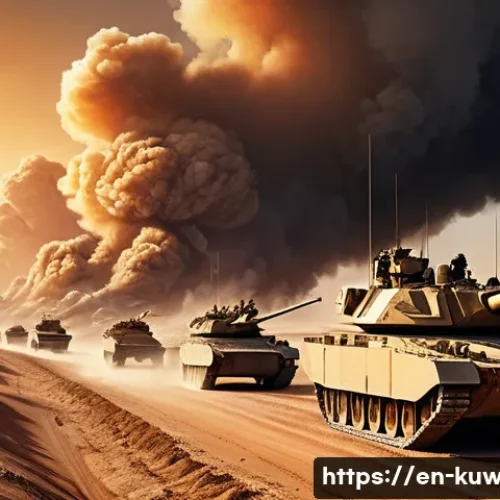
The buildup included a heavy concentration of troops along the border, extensive use of armored divisions, and a readiness to employ chemical weapons if necessary.
This preparation demonstrated Iraq’s intent and capability to execute a rapid invasion.
Kuwait’s Defense Posture and Vulnerabilities
Kuwait, by contrast, maintained a relatively small defense force, relying heavily on its alliances with Western powers, particularly the United States and the United Kingdom.
Despite having modern equipment, Kuwait’s military was not large enough to withstand a full-scale invasion by Iraq. The country’s flat, desert terrain offered little natural defense, making it highly vulnerable.
Kuwait’s leadership had hoped that diplomacy and international pressure would deter Iraq, but the lack of a robust defense on the ground left the country exposed when Saddam made his move.
International Intelligence and Warnings
Intelligence reports from various countries hinted at Iraq’s aggressive intentions well before the invasion. Satellite images showed troop movements, and diplomatic channels carried warnings about escalating tensions.
However, there was a mix of skepticism and underestimation about whether Saddam would actually invade. Some analysts believed Iraq was posturing to gain concessions rather than prepare for war.
This miscalculation delayed a unified international response and allowed Iraq to gain the element of surprise when the invasion occurred.
Global Response and Coalition Formation
United Nations’ Role and Resolutions
The invasion of Kuwait triggered one of the most decisive actions by the United Nations in its history. The UN Security Council swiftly condemned Iraq’s aggression, passing a series of resolutions demanding immediate withdrawal and imposing economic sanctions.
Resolution 678 authorized the use of force if Iraq did not comply by a set deadline. This marked a pivotal moment where the international community showed a rare unity in opposing territorial conquest.
The legal backing provided by the UN was crucial for assembling the coalition forces that followed.
Building the Multinational Coalition
The coalition against Iraq was a diverse alliance of countries spanning multiple continents. Led primarily by the United States, it included NATO members, Arab states like Saudi Arabia and Egypt, and other global powers.
This coalition was unique because it combined Western military technology with regional forces that had a direct stake in the conflict. The logistics of coordinating such a large and varied group were complex, but the shared goal of restoring Kuwait’s sovereignty provided a strong unifying purpose.
Public Opinion and Media Influence
The Gulf War was one of the first conflicts to unfold under the intense scrutiny of global media. Live broadcasts and real-time reporting brought the war into people’s living rooms worldwide, shaping public opinion in powerful ways.
Support for the coalition effort was generally strong, but there were also voices of dissent worried about the human cost and long-term consequences. The media coverage helped maintain pressure on governments to stay the course, while also highlighting the human stories behind the geopolitical headlines.
Key Battles and Military Tactics

The Air Campaign and Its Impact
The initial phase of the Gulf War was dominated by an intense air campaign designed to cripple Iraq’s military infrastructure and communication lines.
Coalition forces launched thousands of sorties targeting airfields, command centers, and supply routes. This air superiority was crucial because it limited Iraq’s ability to effectively respond on the ground.
From my own reading of firsthand accounts, the scale and precision of the bombing were unprecedented at the time, showcasing how modern technology had transformed warfare.
The air campaign set the stage for the ground offensive that followed.
Ground Offensive and Liberation of Kuwait
After weeks of aerial bombardment, the coalition launched a swift ground offensive that lasted just over a hundred hours. The speed and coordination of the attack caught Iraqi forces off guard, leading to rapid gains and the eventual liberation of Kuwait City.
The coalition employed combined arms tactics, integrating armor, infantry, and air support seamlessly. Witnessing reports from veterans and journalists, it’s clear that the psychological impact on Iraqi troops was significant, as many surrendered or retreated rather than fight to the death.
Technological Advantages and Battlefield Innovations
The Gulf War was a showcase for cutting-edge military technology, including precision-guided munitions, stealth aircraft, and advanced communication systems.
These innovations allowed coalition forces to minimize their casualties while maximizing damage to Iraqi forces. The use of GPS and real-time intelligence was a game-changer, enabling commanders to adapt quickly to battlefield developments.
From a strategic perspective, these technological advantages not only ensured victory but also reshaped military doctrines worldwide.
Aftermath and Long-Term Consequences
Impact on Regional Stability
Although the coalition succeeded in expelling Iraqi forces from Kuwait, the war’s aftermath left the region in a fragile state. Saddam Hussein remained in power, harboring resentment and continuing to pose a threat to neighboring countries.
The presence of US troops in Saudi Arabia and ongoing sanctions against Iraq fueled further tensions and extremist sentiments. The conflict exposed the delicate balance of power in the Gulf and highlighted how unresolved grievances can lead to future instability.
Effects on Global Oil Markets
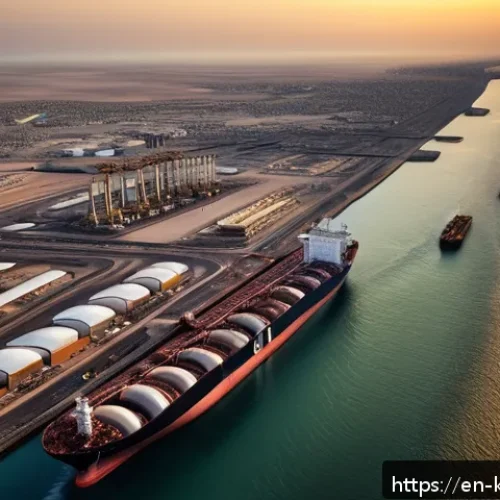
The invasion and war caused immediate disruptions in global oil supply, leading to price spikes and market volatility. Kuwait and Iraq are major oil producers, and the conflict underscored how geopolitics can directly influence energy security worldwide.
In the years following the war, efforts were made to diversify sources and create strategic reserves, but the Gulf region remained a focal point for energy concerns.
For anyone following oil markets today, the legacy of this conflict is still very much present.
Lessons Learned and Military Reforms
The Gulf War prompted many countries, especially in the West, to reevaluate their military strategies and capabilities. The effectiveness of coalition warfare, precision strikes, and rapid deployment became models for future conflicts.
However, it also revealed limitations, such as the challenges of post-war reconstruction and the difficulties in dealing with authoritarian regimes. Military planners and policymakers took these lessons seriously, influencing defense budgets and training programs for decades to come.
Summary of Key Facts and Figures
| Aspect | Details |
|---|---|
| Start of Invasion | August 2, 1990 |
| Duration of War | January 17 – February 28, 1991 (Operation Desert Storm) |
| Coalition Forces | 34 countries including USA, UK, Saudi Arabia, Egypt |
| Iraqi Troops Estimated | Approximately 545,000 |
| Coalition Casualties | Approximately 300 killed |
| Iraqi Casualties | Estimated 20,000 – 35,000 killed |
| Economic Cost | Coalition: Around $61 billion; Iraq: Estimated $300 billion in damages |
| Oil Production Impact | Global oil prices spiked by over 50% during the conflict |
Conclusion
The Gulf War remains a defining moment in modern history, illustrating how complex historical, economic, and political factors can ignite conflict. The swift coalition response showcased international cooperation and military innovation. Although Kuwait was liberated, the region’s stability continued to face challenges. Understanding these events helps us grasp the ongoing dynamics in the Middle East and the importance of diplomatic vigilance.
Useful Information to Remember
1. The roots of the conflict stem from both colonial-era border disputes and economic tensions related to oil production.
2. Iraq’s military buildup was extensive, but Kuwait relied heavily on international alliances for defense.
3. The United Nations played a crucial role in authorizing the coalition’s intervention and imposing sanctions.
4. The Gulf War highlighted the impact of cutting-edge military technology on modern warfare.
5. The aftermath influenced global oil markets and reshaped military strategies worldwide.
Key Takeaways
Recognizing the Gulf War’s complexity is essential: it was not just a military conflict but a convergence of historical grievances, economic rivalry, and regional power struggles. The effective international coalition demonstrated how diplomacy backed by decisive action can counter aggression. However, the war’s consequences also remind us that resolving underlying issues is critical to lasting peace and stability in geopolitically sensitive regions.
Frequently Asked Questions (FAQ) 📖
Q: What were the main causes of the conflict between Kuwait and Iraq?
A: The conflict primarily stemmed from territorial disputes and economic tensions. Iraq accused Kuwait of overproducing oil, which drove prices down and hurt Iraq’s post-war economy.
Additionally, Iraq claimed that Kuwait was historically part of its territory, leading to long-standing border disputes. These issues, combined with Iraq’s massive debt after the Iran-Iraq War, fueled Saddam Hussein’s decision to invade Kuwait in 1990.
Q: How did the international community respond to Iraq’s invasion of Kuwait?
A: The global response was swift and decisive. The United Nations condemned Iraq’s invasion and imposed economic sanctions. A US-led coalition, including forces from multiple countries, launched Operation Desert Storm in early 1991 to liberate Kuwait.
This military intervention showcased strong international cooperation, aiming to restore regional stability and protect vital oil supplies.
Q: What were the long-term impacts of the Kuwait-Iraq war on the Middle East and global politics?
A: The war reshaped regional power dynamics and reinforced the strategic importance of the Gulf region. It led to a prolonged US military presence in the Middle East and influenced future conflicts, including the 2003 Iraq War.
Economically, the conflict affected global oil markets by disrupting supply and causing price fluctuations. Politically, it highlighted the complexities of international alliances and the importance of collective security measures.