Oh, Kuwait! Just the name brings to mind shimmering heat, incredible hospitality, and, for me, the unforgettable glint of gold. If you’ve ever dreamt of finding a truly unique, handcrafted treasure that tells a story, then you absolutely must experience shopping for gold in Kuwait.
It’s not just a transaction; it’s a sensory journey into a rich cultural tapestry where ancient traditions meet dazzling artistry. I remember my first time wandering through the bustling souqs, the air thick with the scent of spices and oud, and every stall seemed to radiate with the warm glow of meticulously crafted jewelry.
What struck me most wasn’t just the sheer quantity, but the incredible dedication to detail in each bracelet, necklace, and earring – pieces that felt genuinely alive with the spirit of the artisans who made them.
It’s a world away from your typical mall jewelry store; here, you’re not just buying a piece of gold, you’re investing in a legacy, a wearable piece of art that carries generations of expertise.
I’ve learned a few tricks over the years to truly spot those exceptional handmade pieces that will not only turn heads but also hold their value. There’s something incredibly satisfying about haggling good-naturedly for a custom-designed pendant, knowing you’re taking home something utterly one-of-a-kind.
Trust me, the stories behind these crafts, the intricate designs that reflect Kuwait’s vibrant heritage, and the sheer joy of discovery make this an experience you won’t forget.
Let’s explore this golden journey together and uncover some truly valuable insights!
Unveiling the Souq’s Golden Secrets: My First Dive into Kuwait’s Jewelry Scene

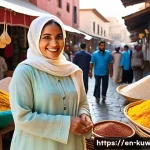
Stepping into Kuwait’s gold souq for the first time was an absolute sensory explosion. I remember the dazzling displays, the scent of oud mingling with the subtle metallic tang of precious metals, and the constant hum of friendly haggling. It’s a far cry from the quiet, almost sterile atmosphere of jewelry stores back home. Here, every piece feels like it has a story, a history woven into its intricate design. I distinctly recall being mesmerized by a particularly elaborate necklace, its delicate filigree work speaking volumes about the artisan’s skill. It’s not just about buying gold; it’s about participating in a centuries-old tradition, an art form passed down through generations. My initial apprehension about navigating such a vibrant marketplace quickly dissolved into pure excitement as I realized the immense treasures waiting to be discovered. The energy is infectious, and you can’t help but get swept up in the pursuit of that perfect, unique piece. I quickly learned that patience and a keen eye are your best friends here. It’s a journey, not just a shopping trip, and the rewards are truly magnificent, both in the jewelry you take home and the memories you create along the way. I still cherish the custom-made bracelet I found on that first visit; every time I wear it, it transports me right back to the bustling alleys and the warmth of Kuwaiti hospitality.
Navigating the Labyrinthine Souqs with Confidence
The sheer scale of the gold souq can be a little overwhelming at first, trust me, I’ve been there! It’s easy to get lost in the maze of stalls, but that’s actually part of the charm. My advice? Don’t rush. Take your time to wander and soak it all in. I usually start by just browsing, getting a feel for the different styles and prices. Sometimes, a particularly striking piece will catch my eye from across an aisle, drawing me in. Don’t be afraid to ask questions, even if you’re just curious. Most vendors are incredibly friendly and happy to share details about their craft. I’ve found that striking up a genuine conversation, rather than just diving into negotiations, often leads to a better experience and sometimes even a better deal. Remember, a smile goes a long way, and a little local Arabic phrase, even just ‘Shukran’ (thank you), can open doors. It’s about building a connection, however brief, with the person behind the counter. That human touch is what makes shopping here so different and so much more rewarding than a sterile online purchase. I even managed to learn a few bargaining phrases in Arabic, which always gets a good-natured laugh and often a better price!
Spotting Genuine Handcrafted Brilliance
Distinguishing between mass-produced items and truly handcrafted masterpieces is a skill I’ve honed over time, and it’s invaluable when shopping for gold in Kuwait. The key lies in the imperfections—or rather, the unique characteristics—that machine-made items simply don’t possess. When I pick up a piece, I’m looking for subtle variations in the filigree, the slight unevenness in a hammered surface, or the way a stone is set that reveals the careful hand of an artisan. Mass-produced jewelry often has a uniform, almost sterile finish. Handcrafted pieces, however, carry a certain warmth, an organic quality that speaks to hours of meticulous labor. I remember once comparing two similar rings, and while one was perfectly symmetrical, the other had a tiny, almost imperceptible quirk in its design, which immediately told me it was the real deal. It’s these small details that elevate a piece from merely beautiful to truly exceptional. Don’t hesitate to examine items closely, turn them over, and even ask about the specific techniques used. The more questions you ask, the more you learn, and the better you become at recognizing true artistry. Trust your gut; if a piece feels unique and carries a certain soul, it likely is.
The Art of the Deal: Mastering the Kuwaiti Gold Exchange
Oh, the dance of negotiation! It’s an integral part of the gold shopping experience in Kuwait, and honestly, it’s one of my favorite parts. It’s not about being aggressive; it’s about engaging in a friendly, respectful back-and-forth that’s deeply ingrained in the local culture. I remember my first few attempts felt a bit awkward, but with practice, it became a thrilling part of the discovery process. The goal isn’t to lowball the vendor; it’s to find a price that feels fair to both parties. I always go in with a general idea of what I’m willing to pay, but I also keep an open mind. A good technique I’ve found is to express genuine admiration for the piece first, ask about its craftsmanship, and only then gently inquire about the price. It sets a much more positive tone. Don’t be afraid to walk away briefly if the price isn’t right; often, you’ll be called back with a revised offer. It’s all part of the game! What I’ve learned is that vendors appreciate a buyer who knows their stuff and approaches the process with a good sense of humor and respect. It’s less about saving a few dinars and more about the shared experience of coming to an agreeable price. Plus, knowing you’ve secured a good deal on a stunning piece of jewelry? Unbeatable.
Understanding Gold Karats and Pricing in Kuwait
When you’re shopping for gold, especially in a market as vibrant as Kuwait’s, understanding karats is absolutely crucial. I’ve seen many visitors get a bit lost in the terminology, but it’s simpler than it seems once you grasp the basics. Most gold in Kuwait is sold in 21k or 22k, which is a higher purity than the 18k or 14k often found in Western markets. This higher purity means a richer, more vibrant yellow hue, which is just stunning. Always confirm the karat with the vendor; it’s standard practice. The price of gold here is typically calculated based on the prevailing international gold rate, plus a ‘making charge’ for the craftsmanship. This ‘making charge’ is where your negotiation skills truly come into play. I always check the daily gold rates online before heading to the souq; it gives me a baseline to work from and helps me assess if the quoted price is reasonable. Remember, the weight of the gold and its purity largely dictate the base price, but the artistry adds significant value. Don’t just focus on the gram price; appreciate the design and labor involved. I’ve found that even if two pieces have the same weight, the intricacy of one might justify a slightly higher making charge, and rightly so.
My Go-To Negotiation Tactics (and What NOT to Do!)
Alright, let’s talk brass tacks about haggling—my favorite part! First, a golden rule: always be polite and friendly. Aggression gets you nowhere in Kuwait. I usually start by expressing genuine interest in several pieces, even if I only have my heart set on one. This gives me a bit of leverage. When they quote a price, I’ll often respond with a slightly lower, but still reasonable, counter-offer, usually around 15-20% below their initial ask, depending on the item and the making charge. The key is to justify your offer, perhaps by commenting on similar pieces you’ve seen or simply stating that it’s what fits your budget. I never act overly desperate or indicate that I’m in a rush. Patience, my friends, is a virtue. Sometimes, I’ll even pretend to walk away if we’re at a stalemate; more often than not, they’ll call me back with a better price. What NOT to do? Never insult the item or the vendor. Never make an offer that’s laughably low—it’s disrespectful. And absolutely never agree to a price and then back out. Your word is important. I once got an incredible deal on a vintage ring just by engaging in a genuinely warm conversation with the shop owner for a good ten minutes before even talking price. It built trust, and that’s priceless.
Beyond the Bling: The Cultural Tapestry Woven in Gold
For me, shopping for gold in Kuwait is so much more than just a transaction; it’s a deep dive into the country’s rich cultural heritage. Every piece of jewelry tells a story, often reflecting traditional motifs, local flora and fauna, or historical events. I’ve spent hours simply admiring the craftsmanship, like the intricate patterns reminiscent of Islamic geometry or the delicate designs that echo the desert roses. It’s a tangible connection to generations of artisans who poured their skill and passion into these creations. I recall one particular visit where a shop owner patiently explained the symbolism behind a traditional ‘hirz’ pendant, originally worn for protection. Learning about these cultural nuances adds such an incredible layer of appreciation to each purchase. It transforms a beautiful object into a meaningful artifact. These aren’t just accessories; they’re wearable art forms that carry a piece of Kuwaiti soul. It makes the entire experience deeply enriching, turning what could be a simple shopping trip into a truly immersive cultural exchange. When I look at my collection, it’s not just the sparkle that catches my eye, but the memories of those conversations and the stories embedded within each golden curve.
The Legacy of Kuwaiti Jewelry Design
Kuwait’s history of jewelry making is incredibly rich, a legacy that’s still evident in the souqs today. I’ve often felt like I’m stepping back in time as I admire designs that have been passed down for centuries. Many pieces showcase influences from Bedouin traditions, with their bold, geometric shapes and use of colorful stones, while others reflect the elegance of Ottoman and Indian craftsmanship, evident in the delicate filigree and intricate detailing. I remember being particularly struck by a series of bridal sets, heavy with gold and adorned with pearls, which are so emblematic of traditional Kuwaiti weddings. It’s fascinating to see how these historical influences converge, creating a unique Kuwaiti aesthetic. The artisans here aren’t just making jewelry; they’re preserving a vital part of their cultural identity, ensuring that these timeless designs continue to captivate new generations. It’s a living tradition, constantly evolving yet firmly rooted in the past. When you buy a piece of Kuwaiti gold, you’re not just acquiring an ornament; you’re becoming a custodian of this beautiful, enduring heritage. I’ve made it a point to seek out some of these more historically inspired pieces, and they are truly conversational starters wherever I go.
Investing in More Than Just Karats: Sentimental Value
Beyond the monetary value, the gold I’ve purchased in Kuwait holds immense sentimental value for me, far outweighing any financial calculation. Each piece is a tangible memory of an incredible journey, a reminder of the bustling souqs, the friendly faces of the vendors, and the vibrant atmosphere. I have a tiny gold charm I bought on a whim during my very first trip, and every time I see it, I’m transported back to that initial sense of wonder and excitement. These aren’t just purchases; they are chapters in my personal travelogue. It’s about bringing home a piece of Kuwait, a small part of its soul that I can wear and cherish. This is where the true value lies for me – in the stories, the experiences, and the emotional connection I’ve forged. I often recommend to friends that they look for pieces that truly resonate with them, not just what’s fashionable or what they think might hold the most financial value. Because, let’s be honest, the joy of wearing something that sparks a beautiful memory is truly priceless. It’s an investment in happiness, a little piece of sunshine to brighten even the greyest days. And that, my friends, is the most valuable kind of gold there is.
Your Essential Toolkit for a Seamless Gold Shopping Experience
Navigating the gold souqs like a pro really comes down to a few key strategies I’ve picked up along the way. First and foremost, always dress comfortably and modestly; you’ll be doing a fair bit of walking, and respecting local customs goes a long long way. Secondly, arm yourself with some basic knowledge about gold karats and the current international gold prices before you even step foot in a shop. It empowers you in negotiations. I always keep a small calculator handy on my phone, not just for conversions but also for quickly checking gram prices. Having a local SIM card or ensuring you have data is super helpful for quick searches if you need to verify something on the spot. I’ve also found that having a general idea of the types of pieces you’re interested in – whether it’s a traditional bracelet, a modern necklace, or a custom design – can save you a lot of browsing time, though I still love just wandering! Oh, and don’t forget a reusable shopping bag; while they usually provide small boxes, a sturdy bag is great for carrying your treasures comfortably. Trust me, these small preparations make a world of difference in turning a potentially overwhelming experience into a truly enjoyable and fruitful one.
Cash or Card? Payment Pointers for Gold Purchases
When it comes to payment in the gold souq, this is where I’ve learned a few crucial lessons. While many larger shops will accept credit cards, cash (Kuwaiti Dinars) is often king, especially in smaller, independent stalls. I’ve found that paying in cash can sometimes give you a slight edge in negotiations, as vendors might be more willing to offer a better price to avoid card processing fees. However, carrying large amounts of cash isn’t always practical or safe, so it’s a balancing act. My strategy usually involves taking out a moderate amount of cash for smaller purchases or as a bargaining tool, and then using a credit card for more significant buys. Always inform your bank before you travel to avoid any issues with international transactions! And always, always ask about the preferred payment method upfront. Some vendors might even offer a better rate for cash simply because it’s more convenient for them. Just be prepared for either scenario. I once found a stunning pair of earrings and realized I only had my card, and while the vendor accepted it, I sensed a cash payment might have netted me a tiny bit more discount. Live and learn!
Essential Arabic Phrases for Gold Shopping Success
Learning a few basic Arabic phrases can seriously enhance your gold shopping experience in Kuwait, making interactions much smoother and friendlier. It shows respect for the local culture, and believe me, the vendors appreciate the effort! You don’t need to be fluent, just a few key phrases can go a long way. I always start with ‘Assalamu alaikum’ (peace be upon you) instead of a simple ‘hello’. For asking about a price, ‘Kam hatha?’ (How much is this?) is your friend. If you want to ask for a better price, ‘Mumkin takhfeef?’ (Is a discount possible?) or ‘Akher سعر?’ (What’s the final price?) are super useful. And of course, ‘Shukran’ (thank you) is essential. A bit of friendly banter and a smile, combined with these phrases, can often open up much warmer interactions and sometimes even lead to better deals. I remember trying to say ‘Beautiful!’ (‘Jameel!’) about a necklace, and the vendor’s face just lit up. It’s those little moments of connection that make the experience so memorable and, dare I say, more enjoyable than just pointing and paying. It’s about building rapport, however fleeting, and showing that you’re engaging with their world.
Beyond the Souq: Unearthing Unique Gold Experiences

While the traditional gold souqs are undoubtedly the heart of Kuwait’s gold shopping scene, I’ve discovered there’s a whole world of unique experiences waiting for those willing to venture a little further. I’m talking about discovering smaller, independent jewelers who specialize in contemporary designs or even offer bespoke services. These hidden gems often provide an even more personalized touch, allowing you to be part of the design process from conception to creation. I once worked with a local artisan to create a custom pendant for a friend, incorporating a traditional Kuwaiti symbol with a modern twist. The experience was incredibly rewarding, seeing my vision brought to life by a master craftsman. It’s a different kind of shopping, less about browsing pre-made items and more about co-creating something truly one-of-a-kind. These aren’t always easy to find, often tucked away in less conspicuous areas, but a little local inquiry or a browse through online communities can sometimes point you in the right direction. It’s a fantastic way to take home a piece that is not only gold but also tells a deeply personal story. This is where you move from being a shopper to a patron of the arts, supporting individual talent and creativity.
The Allure of Custom-Designed Gold Pieces
One of the most incredible aspects of gold shopping in Kuwait, in my personal experience, is the opportunity for custom design. I’ve always been drawn to unique pieces, and the idea of having something crafted specifically for me, or as a gift, is just irresistible. Many jewelers in the souq, especially the family-run establishments, are masters of bespoke work. You can bring in a sketch, describe your vision, or even combine elements from different pieces you’ve seen, and they can bring it to life. I remember commissioning a ring with a very specific engraving, and the artisan meticulously worked on it, involving me in every step of the process, from choosing the gold purity to approving the final design. The result was a piece that felt truly mine, imbued with personal meaning that a ready-made item could never replicate. It’s a fantastic way to celebrate a special occasion or to simply own something that is genuinely unique. The level of craftsmanship and dedication to custom work here is astounding, and it’s an experience I highly recommend to anyone looking for more than just off-the-shelf jewelry. It’s where your imagination meets their expertise, creating magic.
Vintage Finds and Antique Treasures: A Different Kind of Gold Rush
While new gold pieces are dazzling, there’s a special magic in discovering vintage and antique gold in Kuwait. It’s a completely different kind of treasure hunt, and it requires a keen eye and a bit more patience, but the rewards can be truly spectacular. I’ve stumbled upon exquisite antique earrings with intricate pearl settings that whisper tales of bygone eras, and ornate bracelets that feel like they’ve adorned royalty. These pieces often carry a unique patina and a sense of history that new gold simply can’t replicate. They’re not always found in the main gold souq; sometimes, you have to venture into smaller, specialized antique shops or even keep an eye out in local markets. The prices can vary wildly depending on the age, condition, and rarity of the piece, but with careful inspection and a bit of negotiation, you can walk away with something truly extraordinary. I always make sure to verify the gold content and condition, sometimes even getting a second opinion if it’s a particularly significant find. It’s like owning a piece of wearable history, a tangible link to Kuwait’s past, and for me, that’s an absolutely irresistible allure. Each piece feels like it has a secret story to tell.
Making Your Golden Investments: Practical Tips & Considerations
Investing in gold, whether for personal adornment or as a tangible asset, is something many people consider when they visit Kuwait. And rightly so! The quality and craftsmanship are exceptional. However, it’s crucial to approach it with a clear understanding of what you’re doing. I always think of it as a two-fold investment: an investment in beauty and an investment in a stable asset. For me, the true value lies in the joy of wearing a unique, handcrafted piece. But for those looking at it purely from a financial perspective, knowing the current market rates and understanding the ‘making charge’ is paramount. Remember, when you eventually sell gold, you’re primarily selling it by weight and purity, and the making charge is typically not recovered. So, for investment purposes, simpler, heavier pieces often retain their value better than highly intricate, lightweight ones. This is just my personal observation, of course. Always keep your receipts and any certificates of authenticity; they are crucial for both peace of mind and potential resale. Think of it as a long-term acquisition, something that will bring you joy and hold its value for years to come. It’s not a quick flip, but a stable, shimmering asset.
Ensuring Authenticity and Quality in Your Gold Purchases
When you’re making a significant purchase like gold, ensuring authenticity and quality is paramount. This is a point I cannot stress enough! My first tip is to always buy from reputable dealers in the main gold souq or established jewelry stores. These places have a reputation to uphold. Look for hallmarks or stamps on the gold that indicate its purity (e.g., 21K or 22K). Most legitimate jewelers in Kuwait will readily show you these. Don’t be afraid to ask for a receipt that clearly details the karat, weight, and price. Some might even offer a certificate of authenticity, especially for higher-value items or custom pieces. While it’s rare, I’ve heard stories, so always be vigilant. If a deal seems too good to be true, it probably is. Trust your instincts. I usually stick to shops that have been recommended to me or ones that have been around for a long time and have a strong local customer base. A knowledgeable and transparent vendor is your best friend here. If they seem hesitant to answer questions or show you the hallmarks, that’s a red flag in my book. Better safe than sorry when you’re talking about precious metals!
Caring for Your Kuwaiti Gold: Longevity Tips
Once you’ve acquired your beautiful Kuwaiti gold, knowing how to care for it properly is essential to ensure its longevity and maintain its dazzling luster. These pieces are often intricate and deserve a little TLC! I always recommend storing your gold jewelry separately in soft pouches or compartmentalized jewelry boxes to prevent scratching and tangling. Gold is relatively soft, especially higher karat gold, so it can be easily scratched by harder gems or other metals. Avoid exposing your gold to harsh chemicals like chlorine, bleach, or even strong perfumes, as these can dull its shine or, in rare cases, even damage the metal or any stones. I usually put on my jewelry *after* I’ve applied perfumes and lotions. For cleaning, a simple solution of warm water and a mild, non-abrasive soap, applied with a soft brush (like an old toothbrush), works wonders. Gently scrub, rinse thoroughly, and then dry with a soft, lint-free cloth. For really intricate pieces, or if you notice any damage, it’s always best to take it to a professional jeweler for cleaning and inspection. A little bit of care goes a long, long way in keeping your Kuwaiti treasures sparkling for years to come!
The Golden Road Ahead: Maximizing Your Souq Adventure
So, you’ve got your heart set on some Kuwaiti gold, and you’re ready to hit the souqs! Fantastic! My biggest piece of advice for maximizing your adventure is to approach it with an open mind and a sense of wonder. Don’t go in with a rigid checklist; let the souq guide you. Some of my most cherished finds were unexpected discoveries made when I was just leisurely browsing. Plan to spend a good chunk of time there, perhaps even making a couple of visits. The atmosphere is different in the morning compared to the bustling evenings. I personally love the late afternoon when the light starts to soften, and the souq comes alive with chatter and the glow of gold. Don’t forget to take breaks, grab some traditional chai, and soak in the vibrant street life around you. It’s all part of the experience! Engage with the vendors, listen to their stories, and allow yourself to be immersed in the rich cultural tapestry. This isn’t just about making a purchase; it’s about creating unforgettable memories and bringing home a piece of Kuwaiti artistry and heritage. Every visit reveals something new, and that’s the true magic of the golden souqs here. It’s a journey, not a destination, and it’s absolutely worth savoring.
When to Visit: Timing Your Gold Shopping Trip
Timing your visit to the gold souq can significantly impact your experience, believe it or not! I’ve been at different times, and each has its own vibe. Generally, weekdays, especially in the mornings, tend to be less crowded, which can be great if you prefer a more relaxed shopping experience and more one-on-one attention from vendors. You’ll find it easier to browse and engage in longer conversations. However, if you love the bustling energy and vibrant atmosphere, then weekend evenings (Thursday and Friday evenings are usually peak) are absolutely electrifying. It gets really busy, but the energy is infectious! Personally, I like to go late morning on a weekday, do my initial browsing, perhaps even make a mental note of pieces I like, and then, if I’m serious about a major purchase, I might return another day or later in the afternoon. During Ramadan, hours can be different, so always double-check. Also, avoiding the absolute peak of summer (June-August) means more comfortable temperatures for wandering around the outdoor areas, which is a huge plus! The cooler months are definitely more pleasant for exploring. Thinking about these small details can really elevate your entire experience.
Beyond Gold: Exploring Adjacent Souq Treasures
While the gold souq is undeniably the star, don’t limit yourself! One of the joys of exploring these traditional markets is the proximity to other incredible souqs, each offering its own unique treasures. I always make time to wander into the spice souq, where the air is thick with exotic aromas, or the fabric souq, bursting with vibrant textiles. It’s an opportunity to discover even more of Kuwait’s rich cultural offerings. You might find beautiful pashminas, intricately embroidered garments, or exotic incense burners that complement your new gold pieces perfectly. I once found a stunning, hand-painted ceramic bowl in a nearby crafts section that now holds some of my smaller gold rings. It adds to the whole aesthetic! It’s also a fantastic place to pick up unique gifts and souvenirs for friends and family back home. Don’t be afraid to just get lost (in a good way!) and explore the winding alleys. You never know what other hidden gems you might stumble upon. It turns a gold shopping trip into a full-blown cultural immersion, and that, for me, is the absolute best way to experience Kuwait. It’s an adventure for all the senses.
| Aspect | Kuwaiti Gold Shopping Insights |
|---|---|
| Typical Gold Purity | Mostly 21K and 22K, offering a richer color than lower karats. |
| Pricing Structure | Based on international gold rate per gram + a ‘making charge’ (workmanship fee). |
| Negotiation | Expected and encouraged; aim for friendly, respectful haggling for the ‘making charge’. |
| Payment Methods | Cash (Kuwaiti Dinars) often preferred, but major credit cards are widely accepted in larger stores. |
| Best Time to Visit | Weekdays (mornings) for quieter browsing; weekend evenings for vibrant atmosphere. Avoid summer peak for comfort. |
| Authenticity Check | Look for hallmarks, ask for receipts detailing karat and weight, buy from reputable dealers. |
| Customization | Many jewelers offer bespoke design services for unique, personalized pieces. |
Wrapping Things Up
Well, my friends, what an incredible journey we’ve been on, exploring the glittering heart of Kuwait’s gold souqs! From the initial dazzle of those vibrant displays to the thrill of a well-earned negotiation, every visit truly is an adventure for the senses. I hope my tales and tips have ignited a spark of curiosity in you, urging you to experience this unique cultural tapestry for yourselves. It’s more than just shopping; it’s about connecting with a rich heritage, finding pieces that tell a story, and making memories that sparkle just as brightly as the gold itself. Trust me, the sheer joy of unearthing that perfect, unique piece, knowing the story behind it, is a feeling that stays with you long after you’ve left the bustling alleys. So, when you plan your trip, remember to embrace the experience fully, talk to the artisans, and let the magic of Kuwaiti gold sweep you off your feet. You won’t regret it.
Useful Information to Know
1. Bargaining is Part of the Fun: Don’t be shy about negotiating the ‘making charge’ on gold pieces; it’s an expected part of the Kuwaiti gold market culture.
2. Purity Matters: Most gold in Kuwait is 21K or 22K, offering a beautiful, rich yellow hue. Always confirm the karat and look for official hallmarks to ensure authenticity.
3. Check Daily Rates: Before you head out, peek at the current international gold prices. This helps you gauge the base value of the gold and negotiate the making charge more effectively.
4. Cash Can Be King: While credit cards are accepted in many stores, having Kuwaiti Dinars on hand can sometimes give you a little more leverage in securing a better deal, especially with smaller vendors.
5. Respect Local Customs: Dress modestly and learn a few basic Arabic phrases like ‘Shukran’ (thank you) and ‘Kam hatha?’ (How much is this?). It shows respect and can lead to friendlier interactions.
Key Takeaways
Ultimately, a trip to Kuwait’s gold souqs is an enriching experience that transcends mere shopping. It’s an immersive dive into a vibrant culture, a lesson in the art of negotiation, and an opportunity to acquire not just beautiful ornaments, but pieces of history and personal memories. Approach it with an open mind, a friendly demeanor, and a readiness to engage, and you’ll walk away with treasures far more valuable than their weight in gold.
Frequently Asked Questions (FAQ) 📖
Q: What’s the best place to go for gold shopping in Kuwait and what can I expect there?
A: Oh, if you’re looking for that truly authentic and vibrant gold shopping experience, you simply must head to Souq Al-Mubarakiya. It’s not just a place to buy jewelry; it’s a sensory feast!
When I first ventured into gold shopping in Kuwait, my absolute favorite spot quickly became the dedicated Gold Souq within Al-Mubarakiya. You’ll find yourself walking through narrow, bustling alleys, and the air just shimmers with the gleam of gold from every direction.
What I love most is the incredible array of independent jewelers, each with their own unique style and craftsmanship. Forget sterile mall stores; here, you’re stepping into shops that have often been family-run for generations.
You’ll see stunning displays of both modern and incredibly intricate traditional designs, from delicate necklaces to statement pieces heavy with local flair.
It’s a truly immersive experience where you can take your time, browse, and even enjoy a cup of traditional tea while you consider your perfect find. Trust me, the atmosphere alone makes it worth the trip, and the personal touch you get from the vendors is something truly special.
Q: How can I be sure I’m getting a good deal and genuine gold in Kuwait?
A: This is such a smart question, and it’s where a little savvy goes a long way! From my own experiences, the first and most important thing is to understand that gold in Kuwait is primarily sold by weight and purity, not just by design.
You’ll mostly find 21K and 22K gold, which is a higher purity than what’s common in many Western countries, so don’t be surprised by the softness or the deeper yellow hue.
Always look for the official hallmark, which guarantees the purity. Most reputable jewelers will have them clearly visible. As for getting a good deal, this is where the fun of haggling comes in!
It’s an accepted part of the culture, especially in the souqs. My trick? Always start by expressing genuine interest, ask questions about the craftsmanship, and then, politely, offer a slightly lower price than what they initially quote.
Don’t be afraid to walk away and come back, or try another shop – sometimes that’s all it takes to get to a price you’re comfortable with. Building a friendly rapport with the vendor can also make a huge difference.
I’ve found that a little charm and respect go a long way in securing a fantastic piece at a fair price!
Q: Are there any unique gold items or styles specific to Kuwait that I should look out for?
A: Absolutely! This is one of the most exciting parts of gold shopping in Kuwait for me. Beyond the stunning contemporary pieces, there’s a treasure trove of traditional designs that are truly unique and tell a story of Kuwait’s rich heritage.
Keep an eye out for what they call ‘thahab kuwaiti’ or Kuwaiti gold, which often features incredibly intricate filigree work, delicate patterns, and often incorporates pearls or semi-precious stones.
I’m particularly fond of the traditional necklaces and bracelets that are designed to be worn for special occasions; they’re often quite substantial and incredibly detailed.
You might also spot beautiful pieces inspired by traditional Islamic art or Bedouin culture. And if you’re feeling adventurous, many jewelers in the souq are masters of custom work.
I’ve had a few pieces designed to my exact specifications, blending traditional motifs with a modern twist, and the result was always something utterly one-of-a-kind.
These aren’t just pieces of jewelry; they’re wearable art, steeped in history, and truly make for the most unforgettable souvenirs or cherished investments.