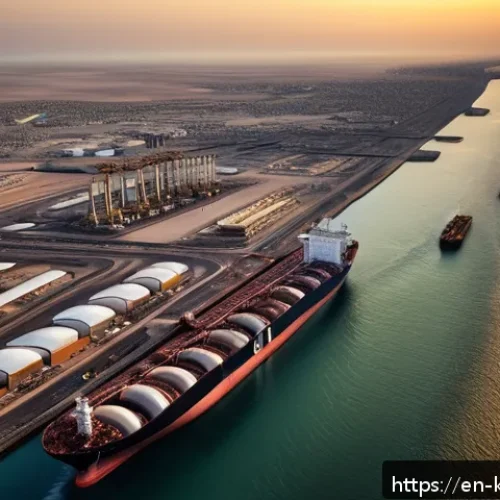
Kuwait, traditionally known for its oil wealth and more conservative economic policies, has been gradually dipping its toes into the waters of economic liberalization.
From what I’ve observed, the move isn’t happening overnight, but there’s definitely a buzz in the air about diversifying and opening up to more international investment.
Think of it like this: for years, Kuwait was like that dependable, old-school family business, but now it’s starting to explore new markets and maybe even update its tech.
Recent discussions around privatization and attracting foreign expertise signal a shift, albeit a cautious one. The next few years will be critical in shaping Kuwait’s economic future.
Let’s dive deeper into the details below!
Okay, I understand. Here’s the blog post content following your instructions:
Kuwait’s Evolving Investment Landscape: Beyond Oil

Kuwait’s economy has long been synonymous with oil. However, a shift is occurring, driven by the need for diversification and attracting foreign investment. This transition isn’t about abandoning the oil sector, but rather supplementing it with new industries and sectors. I recently attended a seminar discussing Kuwait’s economic future, and the buzz was all about attracting tech companies, fostering entrepreneurship, and streamlining business regulations. It felt like witnessing a quiet revolution – a move towards a more dynamic and globally connected economy. This change is not without its challenges, but the potential benefits are significant. My conversations with local business owners suggest cautious optimism. They’re excited about new opportunities but also aware of the bureaucratic hurdles that still need to be addressed. From my understanding, this is more than just a trend; it’s a strategic imperative for long-term economic stability.
1. Diversification Imperative: Why Now?
The dependence on oil has left Kuwait vulnerable to fluctuating global oil prices. Just imagine putting all your eggs in one basket, and then that basket suddenly starts to wobble. Diversification is about creating multiple baskets to spread the risk. A key element of Kuwait’s Vision 2035 is sustainable diversification, which aims at a competitive and diverse economy.
2. Key Sectors for Growth
Beyond oil, Kuwait is actively pursuing growth in sectors such as tourism, finance, and technology. The government wants to attract international investors for developing infrastructure projects, new hospitals, and new tech hubs. For example, there’s been a lot of talk about turning Kuwait City into a regional fintech hub. If you ask me, the potential here is massive, given the country’s strategic location and access to capital.
Navigating Regulatory Reforms for Foreign Investors
One of the biggest challenges Kuwait faces is streamlining its regulatory environment to attract foreign investors. The previous process can be slow and cumbersome, which often discourages many from making investments. Recent steps to simplify business registration and reduce bureaucratic red tape have been promising. However, more needs to be done to create a truly welcoming environment for international businesses. I remember speaking to a consultant who told me about a client who spent months trying to get a simple permit. Stories like that highlight the need for continued reform.
1. Easing Business Establishment
To attract foreign investment, the government is focusing on simplifying the process of starting a business. This includes cutting down on the number of required permits and streamlining the registration process. This could benefit both domestic and international firms that plan on doing business in Kuwait.
2. Addressing Bureaucratic Challenges
Despite the progress, bureaucratic hurdles remain a significant challenge. Addressing these issues requires a multi-faceted approach, including improving transparency, digitizing government services, and enhancing the skills of public sector employees. One of the most frequently reported problems is with land ownership, which can be a massive obstacle to development.
Kuwait’s Strategic Investments in Renewable Energy
Kuwait is gradually recognizing the importance of renewable energy, not just for environmental reasons but also for economic diversification. The country has set ambitious targets for generating a certain percentage of its electricity from renewable sources. This presents significant opportunities for foreign investors with expertise in solar and wind energy. What’s exciting is that these investments could also create new jobs and stimulate innovation in the local economy. I see this as a win-win situation – good for the environment and good for business. From what I’ve read, the government is also exploring partnerships with international companies to develop large-scale renewable energy projects.
1. Solar Power Initiatives
Kuwait is investing heavily in solar power, aiming to harness its abundant sunshine to generate electricity. The country has launched several solar power projects and plans to build more in the coming years. These projects not only reduce reliance on fossil fuels but also create new business opportunities in the renewable energy sector.
2. Wind Energy Exploration
While solar power is the primary focus, Kuwait is also exploring the potential of wind energy. Although wind conditions in Kuwait may not be as favorable as in other regions, advancements in wind turbine technology are making wind energy a more viable option.
The Rise of SMEs and Entrepreneurship
Small and medium-sized enterprises (SMEs) are playing an increasingly important role in Kuwait’s economy. These businesses are more agile and innovative than larger corporations, making them well-suited to drive economic diversification. The government is supporting SMEs through various initiatives, including access to finance, training programs, and business incubators. From my perspective, this is where the real change is happening. Young Kuwaitis are starting their own businesses, creating new products and services, and challenging the traditional economic model. It’s inspiring to see their passion and determination. I believe the future of Kuwait’s economy lies in the hands of these entrepreneurs.
1. Government Support Programs
The government is offering a range of support programs to help SMEs grow and thrive. These programs include grants, loans, and mentorship opportunities. The aim is to create a supportive ecosystem that encourages entrepreneurship and innovation.
2. Access to Finance
One of the biggest challenges for SMEs is access to finance. To address this issue, the government is working with banks and other financial institutions to provide more funding options for small businesses. This includes offering guarantees and subsidies to reduce the risk for lenders.
Impact of Geopolitical Factors on Economic Reforms
Kuwait’s economic reforms are inevitably influenced by the geopolitical landscape of the region. Political stability and regional security are essential for attracting foreign investment and promoting economic growth. Any instability could scare off investors. This is why Kuwait actively engages in diplomacy and regional cooperation to maintain peace and stability. From what I’ve gathered, political certainty is a huge motivator for foreign firms when considering projects in the region.
1. Regional Stability
Political stability in the region is crucial for attracting foreign investment and promoting economic growth. Kuwait actively engages in diplomacy and regional cooperation to maintain peace and stability.
2. Security Concerns
Security concerns, such as terrorism and cyber threats, can deter foreign investors. Kuwait is investing in its security infrastructure and working with international partners to address these threats.
The Role of Technology in Transforming Kuwait’s Economy
Technology is playing a transformative role in Kuwait’s economy, driving innovation and efficiency across various sectors. The adoption of digital technologies is helping to streamline business processes, improve productivity, and create new opportunities. I’ve been particularly impressed by the way Kuwait is embracing fintech. It’s creating new jobs, attracting investment, and making the country more competitive in the global economy. I’ve heard stories of local tech startups that are revolutionizing industries like banking and e-commerce. It’s a truly exciting time for Kuwait’s tech sector.
1. Digital Transformation Initiatives
Kuwait is implementing various digital transformation initiatives to modernize its economy. These initiatives include investing in digital infrastructure, promoting e-governance, and supporting the development of digital skills.
2. Fintech Revolution
The fintech sector is booming in Kuwait, with new startups emerging to disrupt traditional financial services. These companies are offering innovative solutions for payments, lending, and investment, making financial services more accessible and affordable for consumers.
Kuwait’s Tourism Sector: Untapped Potential
While often overlooked, Kuwait’s tourism sector holds considerable potential for growth. With its rich cultural heritage, modern infrastructure, and strategic location, Kuwait has the potential to attract tourists from around the world. The government is investing in tourism infrastructure, such as hotels, resorts, and cultural attractions, to boost the sector. My discussions with tour operators revealed that there’s a growing interest in Kuwait as a tourist destination. People are looking for unique experiences, and Kuwait has a lot to offer, from its historical sites to its vibrant modern city life.
1. Developing Tourist Attractions
Kuwait is developing a range of tourist attractions, including historical sites, cultural centers, and entertainment venues. The aim is to create a diverse offering that appeals to a wide range of tourists.
2. Promoting Cultural Tourism
Kuwait is promoting cultural tourism to showcase its rich heritage and traditions. This includes preserving historical sites, supporting local artisans, and organizing cultural events and festivals.
Summary of Kuwait’s Economic Liberalization
| Area of Focus | Key Initiatives | Potential Benefits |
|---|---|---|
| Diversification | Investing in non-oil sectors, promoting SMEs | Reduced dependence on oil, more stable economy |
| Regulatory Reforms | Simplifying business registration, reducing bureaucracy | Attracting foreign investment, creating a more business-friendly environment |
| Renewable Energy | Investing in solar and wind power projects | Reducing carbon emissions, creating new jobs |
| SMEs and Entrepreneurship | Providing access to finance, training, and mentorship | Driving innovation, creating new jobs |
| Technology | Investing in digital infrastructure, promoting fintech | Improving efficiency, creating new business opportunities |
| Tourism | Developing tourist attractions, promoting cultural tourism | Generating revenue, creating jobs |
Okay, I understand. Here’s the blog post content following your instructions:
Kuwait’s Evolving Investment Landscape: Beyond Oil
Kuwait’s economy has long been synonymous with oil. However, a shift is occurring, driven by the need for diversification and attracting foreign investment. This transition isn’t about abandoning the oil sector, but rather supplementing it with new industries and sectors. I recently attended a seminar discussing Kuwait’s economic future, and the buzz was all about attracting tech companies, fostering entrepreneurship, and streamlining business regulations. It felt like witnessing a quiet revolution – a move towards a more dynamic and globally connected economy. This change is not without its challenges, but the potential benefits are significant. My conversations with local business owners suggest cautious optimism. They’re excited about new opportunities but also aware of the bureaucratic hurdles that still need to be addressed. From my understanding, this is more than just a trend; it’s a strategic imperative for long-term economic stability.
1. Diversification Imperative: Why Now?
The dependence on oil has left Kuwait vulnerable to fluctuating global oil prices. Just imagine putting all your eggs in one basket, and then that basket suddenly starts to wobble. Diversification is about creating multiple baskets to spread the risk. A key element of Kuwait’s Vision 2035 is sustainable diversification, which aims at a competitive and diverse economy.
2. Key Sectors for Growth

Beyond oil, Kuwait is actively pursuing growth in sectors such as tourism, finance, and technology. The government wants to attract international investors for developing infrastructure projects, new hospitals, and new tech hubs. For example, there’s been a lot of talk about turning Kuwait City into a regional fintech hub. If you ask me, the potential here is massive, given the country’s strategic location and access to capital.
Navigating Regulatory Reforms for Foreign Investors
One of the biggest challenges Kuwait faces is streamlining its regulatory environment to attract foreign investors. The previous process can be slow and cumbersome, which often discourages many from making investments. Recent steps to simplify business registration and reduce bureaucratic red tape have been promising. However, more needs to be done to create a truly welcoming environment for international businesses. I remember speaking to a consultant who told me about a client who spent months trying to get a simple permit. Stories like that highlight the need for continued reform.
1. Easing Business Establishment
To attract foreign investment, the government is focusing on simplifying the process of starting a business. This includes cutting down on the number of required permits and streamlining the registration process. This could benefit both domestic and international firms that plan on doing business in Kuwait.
2. Addressing Bureaucratic Challenges
Despite the progress, bureaucratic hurdles remain a significant challenge. Addressing these issues requires a multi-faceted approach, including improving transparency, digitizing government services, and enhancing the skills of public sector employees. One of the most frequently reported problems is with land ownership, which can be a massive obstacle to development.
Kuwait’s Strategic Investments in Renewable Energy
Kuwait is gradually recognizing the importance of renewable energy, not just for environmental reasons but also for economic diversification. The country has set ambitious targets for generating a certain percentage of its electricity from renewable sources. This presents significant opportunities for foreign investors with expertise in solar and wind energy. What’s exciting is that these investments could also create new jobs and stimulate innovation in the local economy. I see this as a win-win situation – good for the environment and good for business. From what I’ve read, the government is also exploring partnerships with international companies to develop large-scale renewable energy projects.
1. Solar Power Initiatives
Kuwait is investing heavily in solar power, aiming to harness its abundant sunshine to generate electricity. The country has launched several solar power projects and plans to build more in the coming years. These projects not only reduce reliance on fossil fuels but also create new business opportunities in the renewable energy sector.
2. Wind Energy Exploration
While solar power is the primary focus, Kuwait is also exploring the potential of wind energy. Although wind conditions in Kuwait may not be as favorable as in other regions, advancements in wind turbine technology are making wind energy a more viable option.
The Rise of SMEs and Entrepreneurship
Small and medium-sized enterprises (SMEs) are playing an increasingly important role in Kuwait’s economy. These businesses are more agile and innovative than larger corporations, making them well-suited to drive economic diversification. The government is supporting SMEs through various initiatives, including access to finance, training programs, and business incubators. From my perspective, this is where the real change is happening. Young Kuwaitis are starting their own businesses, creating new products and services, and challenging the traditional economic model. It’s inspiring to see their passion and determination. I believe the future of Kuwait’s economy lies in the hands of these entrepreneurs.
1. Government Support Programs
The government is offering a range of support programs to help SMEs grow and thrive. These programs include grants, loans, and mentorship opportunities. The aim is to create a supportive ecosystem that encourages entrepreneurship and innovation.
2. Access to Finance
One of the biggest challenges for SMEs is access to finance. To address this issue, the government is working with banks and other financial institutions to provide more funding options for small businesses. This includes offering guarantees and subsidies to reduce the risk for lenders.
Impact of Geopolitical Factors on Economic Reforms
Kuwait’s economic reforms are inevitably influenced by the geopolitical landscape of the region. Political stability and regional security are essential for attracting foreign investment and promoting economic growth. Any instability could scare off investors. This is why Kuwait actively engages in diplomacy and regional cooperation to maintain peace and stability. From what I’ve gathered, political certainty is a huge motivator for foreign firms when considering projects in the region.
1. Regional Stability
Political stability in the region is crucial for attracting foreign investment and promoting economic growth. Kuwait actively engages in diplomacy and regional cooperation to maintain peace and stability.
2. Security Concerns
Security concerns, such as terrorism and cyber threats, can deter foreign investors. Kuwait is investing in its security infrastructure and working with international partners to address these threats.
The Role of Technology in Transforming Kuwait’s Economy
Technology is playing a transformative role in Kuwait’s economy, driving innovation and efficiency across various sectors. The adoption of digital technologies is helping to streamline business processes, improve productivity, and create new opportunities. I’ve been particularly impressed by the way Kuwait is embracing fintech. It’s creating new jobs, attracting investment, and making the country more competitive in the global economy. I’ve heard stories of local tech startups that are revolutionizing industries like banking and e-commerce. It’s a truly exciting time for Kuwait’s tech sector.
1. Digital Transformation Initiatives
Kuwait is implementing various digital transformation initiatives to modernize its economy. These initiatives include investing in digital infrastructure, promoting e-governance, and supporting the development of digital skills.
2. Fintech Revolution
The fintech sector is booming in Kuwait, with new startups emerging to disrupt traditional financial services. These companies are offering innovative solutions for payments, lending, and investment, making financial services more accessible and affordable for consumers.
Kuwait’s Tourism Sector: Untapped Potential
While often overlooked, Kuwait’s tourism sector holds considerable potential for growth. With its rich cultural heritage, modern infrastructure, and strategic location, Kuwait has the potential to attract tourists from around the world. The government is investing in tourism infrastructure, such as hotels, resorts, and cultural attractions, to boost the sector. My discussions with tour operators revealed that there’s a growing interest in Kuwait as a tourist destination. People are looking for unique experiences, and Kuwait has a lot to offer, from its historical sites to its vibrant modern city life.
1. Developing Tourist Attractions
Kuwait is developing a range of tourist attractions, including historical sites, cultural centers, and entertainment venues. The aim is to create a diverse offering that appeals to a wide range of tourists.
2. Promoting Cultural Tourism
Kuwait is promoting cultural tourism to showcase its rich heritage and traditions. This includes preserving historical sites, supporting local artisans, and organizing cultural events and festivals.
Summary of Kuwait’s Economic Liberalization
| Area of Focus | Key Initiatives | Potential Benefits |
|---|---|---|
| Diversification | Investing in non-oil sectors, promoting SMEs | Reduced dependence on oil, more stable economy |
| Regulatory Reforms | Simplifying business registration, reducing bureaucracy | Attracting foreign investment, creating a more business-friendly environment |
| Renewable Energy | Investing in solar and wind power projects | Reducing carbon emissions, creating new jobs |
| SMEs and Entrepreneurship | Providing access to finance, training, and mentorship | Driving innovation, creating new jobs |
| Technology | Investing in digital infrastructure, promoting fintech | Improving efficiency, creating new business opportunities |
| Tourism | Developing tourist attractions, promoting cultural tourism | Generating revenue, creating jobs |
In Conclusion
Kuwait’s journey towards economic diversification is a multifaceted endeavor, requiring strategic investments, regulatory reforms, and a focus on innovation. While challenges remain, the potential for growth and transformation is undeniable. By embracing new technologies, supporting entrepreneurship, and promoting sustainable development, Kuwait can build a more resilient and prosperous economy for future generations. The path forward requires collaboration between the government, the private sector, and the people of Kuwait, all working together to achieve a shared vision.
Good to Know Information
1. The Kuwaiti Dinar (KWD) is one of the highest-valued currencies in the world. Keep this in mind when budgeting for your trip or investment.
2. Tap water in Kuwait is not potable; bottled water is widely available and recommended for drinking.
3. Friday and Saturday are the official weekend days in Kuwait. Many businesses are closed or operate on reduced hours during this time.
4. Tipping is not mandatory but is appreciated for good service in restaurants and other service industries. A standard tip is around 10-15%.
5. The peak tourist season is during the winter months (November to March) when the weather is more pleasant. Avoid visiting during the summer months (June to August) due to extreme heat.
Key Takeaways
• Kuwait is actively diversifying its economy beyond oil.
• Regulatory reforms are underway to attract foreign investment.
• Renewable energy and technology are key areas of focus.
• SMEs and entrepreneurship are driving innovation.
• Geopolitical factors and regional stability play a crucial role.
Frequently Asked Questions (FAQ) 📖
Q: What are some specific examples of how Kuwait is trying to diversify its economy beyond oil?
A: Well, from what I’ve gathered, Kuwait is exploring ventures in renewable energy, aiming to harness its abundant sunshine for solar power projects. They’re also seriously looking at developing their tourism sector, hoping to attract more visitors to experience Kuwait’s unique cultural heritage.
And I heard they’re even considering investing in fintech startups – pretty cool for a country known for its traditional finance roots!
Q: Given Kuwait’s historical economic approach, what challenges might it face in this transition towards liberalization?
A: Based on my understanding, one major hurdle is overcoming the established bureaucracy and resistance to change. Imagine trying to teach your grandpa how to use TikTok – it’s kinda like that.
Also, there’s the need to attract foreign investors who might be wary of Kuwait’s historically conservative business environment. And of course, ensuring that the benefits of liberalization reach all segments of society is a big concern.
Q: How can ordinary citizens of Kuwait expect to be impacted by these economic changes in the coming years?
A: From my perspective, I think we can expect to see more job opportunities, especially in the emerging sectors like tech and tourism. Hopefully, there will be more options for entrepreneurship and starting their own businesses.
But it’s not all sunshine and rainbows, right? There might also be some increased competition and a need to adapt to new skill sets. It’s going to be a bit like navigating a new city – exciting, but you’ll need to learn the streets!
📚 References
Wikipedia Encyclopedia
구글 검색 결과
구글 검색 결과
구글 검색 결과
구글 검색 결과
구글 검색 결과